Water Extraction in Brandon
A puddle that reaches a doorway may already extend beneath the flooring. Water extraction removes accessible liquid while an inspection finds the wet edges that need attention after the surface clears.
(888) 621-2041Arrange removal of pooled water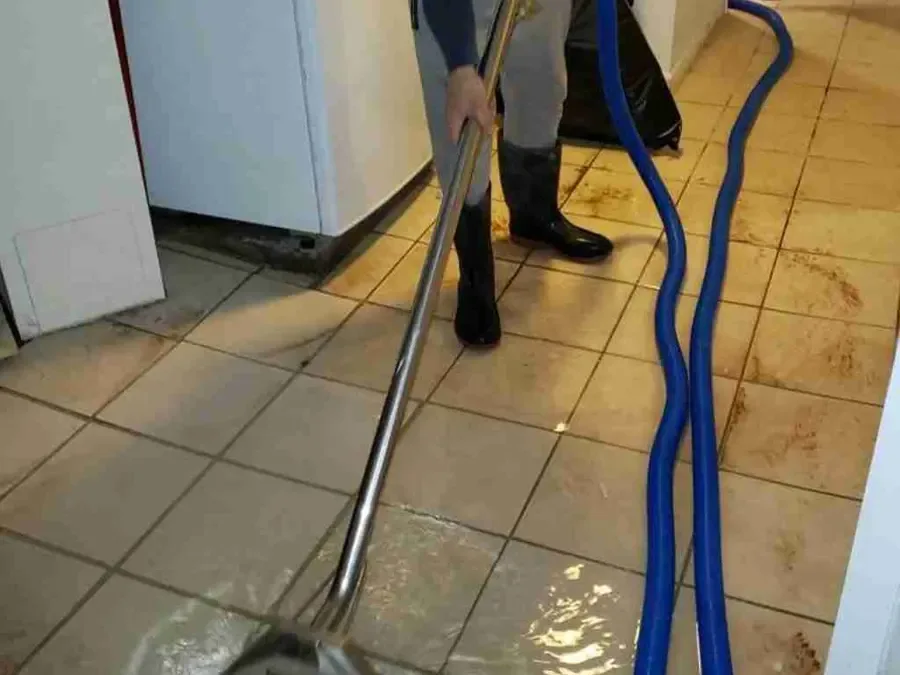
Water extraction in Brandon begins with the liquid that can be reached safely. A visible pool may sit above saturated underlayment or run beneath a wall into the next room. Removing that pool makes inspection easier, but the scope also needs to identify where water traveled before equipment arrived.
First steps for water extraction and removal
- Keep a dry boundary. Move people away from the pool and identify an unaffected access route. Wet electrical areas should remain isolated pending a safety assessment.
- Report the apparent source. State whether the water came from plumbing, an appliance or outdoors. Mention any continuing flow so source control can be coordinated with extraction.
- Record affected rooms. Photograph visible water from dry space and list rooms where it traveled. Avoid moving heavy soaked items simply to improve the view.
- Preserve equipment access. Clear loose dry objects from the entry route when safe. Leave damaged finishes and contaminated belongings for the inspection and handling plan.
How water extraction and removal works
Assess the water conditions
The first inspection checks source status, hazards and accessible wet surfaces. Findings determine the removal approach and whether contaminated materials require separate handling during cleanup.
Recover the accessible liquid
Extraction equipment is selected for the surface and volume encountered. Technicians work through the affected area while checking adjoining spaces for additional water migration.
Inspect exposed material layers
Once the surface clears, moisture checks follow wall bases, floor transitions and reachable cavities. Necessary access is explained before concealed wet layers are opened.
Set the remaining drying scope
Retained wet materials receive a drying plan with monitoring locations. The work record separates completed water removal from continuing moisture reduction and later finish repairs.
Separate the source from the water left behind
An appliance connection, a failed pipe and outdoor flooding create different removal conditions. The source should be stopped or controlled before equipment is expected to hold the area dry. The initial assessment considers electrical exposure, floor stability and whether contamination changes how the water and affected materials must be handled.
Timber Pond Drive experienced reported roadway flooding in September 2018 near Mead Lake and Timber Pond. That history gives property owners a reason to distinguish outdoor entry from indoor supply leakage when describing a new water problem. The entry route affects the cleanup decisions inside.
- Describe whether water arrived through a doorway, an appliance area or a concealed wall opening.
- Identify rooms where the puddle spread before the visible flow stopped or slowed.
- Mention electrical devices, unstable finishes or wastewater before anyone enters the wet area.
- Keep unaffected belongings in dry space without carrying contaminated items through occupied rooms.
Choose extraction around the surface and access
Hard flooring, carpet and confined cavities cannot all be approached in the same way. Accessible liquid can be recovered from exposed surfaces, while absorbed water may require a different tool or selective material access. Furniture placement and narrow passages also influence how hoses and equipment reach the affected space.
A property in Barrington Oaks East may have water visible only along a cabinet edge. The inspection follows that edge instead of assuming the center of the room marks the entire loss. Baseboards, flooring transitions and adjoining closets can reveal additional wet material after the initial extraction pass. Removing a finish should have a clear purpose tied to access or material condition.
Water Extraction and Removal help
Standing water can hide the edges of a larger loss. Describe the source, affected surfaces and any unsafe access so removal can begin with a practical assessment.
Check what remains after the puddle disappears
The end of visible standing water is a useful milestone. It is followed by moisture measurements and a drying plan for retained materials. Structural drying addresses the moisture that extraction cannot physically recover. Measurements help determine whether a wet layer is responding or remains trapped beneath a resistant finish.
Keep electricity outside the cleanup attempt
A household vacuum or extension cord creates unnecessary danger around standing water. Occupants should remain on dry ground and leave electrical isolation to someone qualified to assess the conditions. The removal plan starts after the working area is safe to enter.
Leave a clear record for the next stage
The scope should identify the rooms extracted, materials removed and areas still requiring drying. Photos taken before the water leaves can preserve the original extent. Together, these details explain why a room that looks cleaner may still need equipment and further inspection before repairs begin.
What does water extraction and removal cost in Brandon, FL?
Water extraction in Brandon ranges from $500 to $3,500 across the planning examples below. The amount of accessible liquid, room connections and material access shape the scope; drying and reconstruction should be identified separately in the estimate.
One contained room
$500 to $1,200
- Accessible standing water
- Single room access
- Initial wetness checks
Several connected areas
$1,200 to $2,400
- Adjoining wet rooms
- Additional extraction passes
- Floor edge inspection
Extensive water removal
$2,400 to $3,500
- Broad pooled water
- More equipment access
- Concealed spread check
The water damage cost calculator gives an estimate only. The inspection determines the scope, including water category, affected area, material class and drying delay.
Measured care for water extraction and removal
Rapid local response
The response team treats spreading water as urgent and gathers the source, room count and safe access details. Dispatch operates 24/7; conditions and availability determine the response.
IICRC S500 drying standard
The drying crew compares affected assemblies with dry reference materials, adjusts equipment to the evaporation load, and records progress. A dry-looking surface alone does not complete the work.
Claim-ready documentation
The technician links photographs to the moisture map and records material removal, equipment placement and drying readings. That record explains the restoration scope without promising an insurer's decision.
Local water experts
A property inspection distinguishes rain entry, an internal supply leak and contaminated outside water. The restoration plan follows the actual source and materials, with access and safety assessed separately.
Water extraction and removal in Brandon
Water removal can be discussed for properties in Limona and Kensington Estates, with access arranged around the affected rooms. Describe stairs, locked areas and the source of the water so the initial assessment can focus on safe equipment placement.
The same service nearby: water extraction and removal in Lithia, Valrico, Bloomingdale.
Related water damage services in Brandon

Structural Drying and Dehumidification in Brandon
Material readings guide airflow, humidity control and drying completion.
View service details ›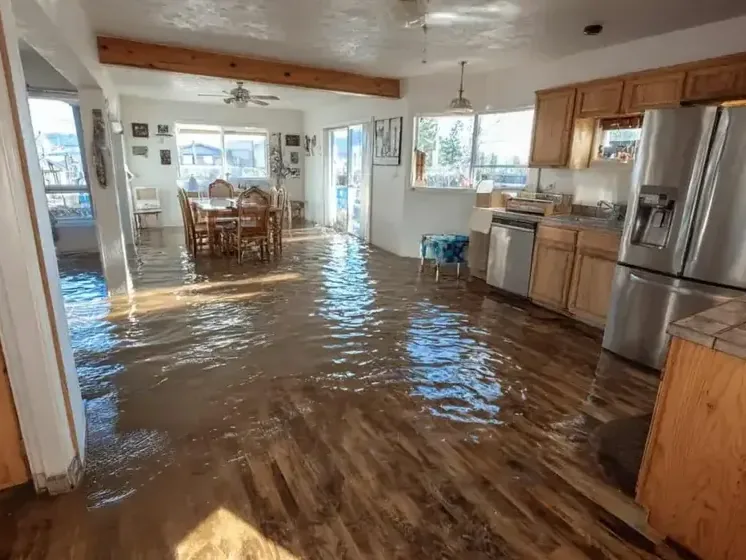
Storm and Flood Cleanup in Brandon
Outside floodwater needs an entry assessment and a cleanup plan.
View service details ›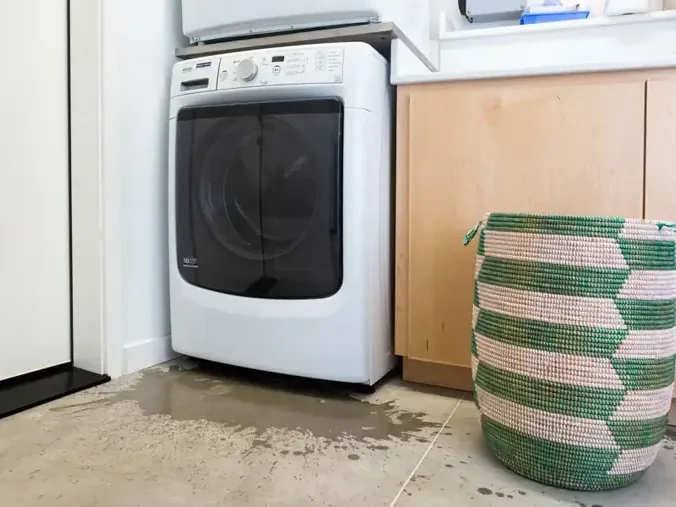
Appliance Leak Water Damage in Brandon
Hidden moisture beneath appliances calls for careful access.
View service details ›Water Extraction and Removal questions in Brandon, FL
Is pumping the same as drying a room?
Pumping or extraction removes liquid that equipment can physically reach. Drying deals with moisture absorbed into wood, wallboard and other retained materials. A cleared floor can therefore still need dehumidification and measured follow up. The inspection should explain which stage is complete and which material layers remain wet before the owner arranges replacement finishes.
Can carpet stay in place during water removal?
That depends on contamination, backing condition and the layers below the carpet. Surface extraction may leave a saturated pad underneath. The assessment considers whether the assembly can be cleaned and dried effectively or whether removal is necessary. Keeping carpet should be a material decision supported by its condition, rather than an assumption based on the visible puddle.
What if water keeps returning after extraction?
Continuing water means the source or entry route still needs attention. A plumbing leak, outdoor inflow or trapped water draining from another area can each refill the space. Report where it returns and when the change occurs. The removal setup may need adjustment while the appropriate contractor addresses the cause and the wet boundary is reassessed.
Should an owner lift flooring before the inspection?
Unplanned removal can expose hazards, damage salvageable materials or spread contaminated water. Photographs and a description of soft, swollen or loose flooring are useful starting points. The assessment determines where access is needed and how it should be made. Controlled openings then allow inspection beneath the finish without treating every dry looking section as automatically unaffected.
Does outside floodwater require special handling?
Outdoor water can carry debris and contaminants into a building. Its route and contact with indoor materials affect cleaning and removal decisions. Occupants should avoid tracking it into dry rooms or handling soaked porous belongings casually. After safe access is established, the scope should distinguish liquid removal, cleaning, material disposal and the drying of surfaces that remain.
What should be photographed before water is removed?
Useful images show the first visible spread, affected doorways, furniture bases and belongings touched by water. Photos should be taken from safe dry positions. Keep notes about the discovery and source control alongside the images. These records help explain the original condition when the extracted floor later looks less damaged than it did at the start.
When can the room receive new floor coverings?
Replacement should wait until retained layers meet the drying requirements for the planned finish. Moisture trapped beneath a new covering can continue affecting the assembly. The cleanup record should identify measurement locations and any unresolved wet sections. A repair contractor can then check the condition of the substrate before scheduling installation or covering the inspection access points.
Plan the next step after extraction
A room assessment identifies accessible liquid, concealed moisture and the drying work that follows removal.
(888) 621-2041Check the wet floor conditions