Water Heater Leak Cleanup in Brandon
A tank spill can disappear beneath a wall while the enclosure still looks like the center of the problem. Cleanup traces that spread after the heater’s supply and energy hazards are addressed.
(888) 621-2041Discuss water beyond the heater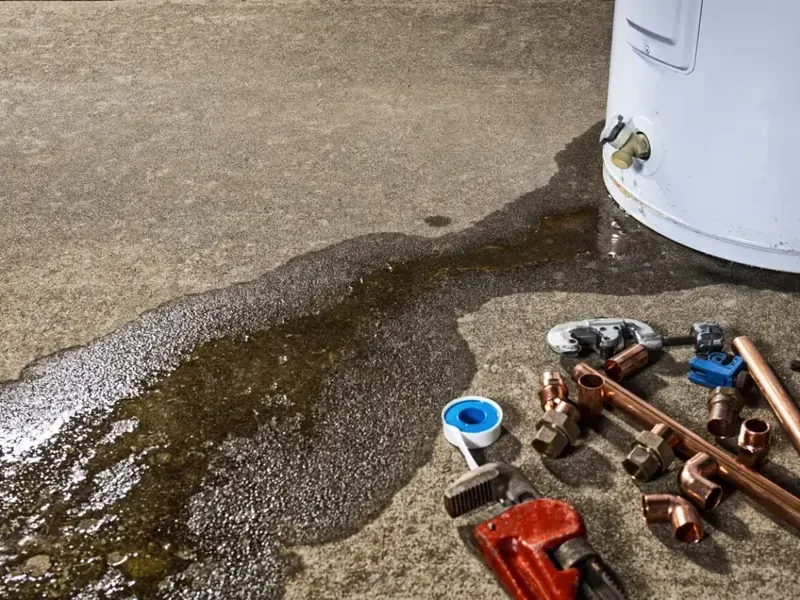
Water beneath a heater can reach more than the tank platform. In a Brandon property, the first cleanup discussion should describe where the equipment sits and which adjoining surfaces became wet. A garage, closet or utility space presents different access questions, especially when stored belongings conceal the path toward a nearby wall or doorway.
First steps for water heater leak cleanup
- Report equipment hazards first. State whether the tank is actively leaking and whether hot water or electrical exposure is present. Keep occupants outside the wet equipment area pending assessment.
- Arrange safe source isolation. The heater supply and energy connections need appropriate attention. A qualified professional should establish safe conditions before equipment movement or close inspection of the enclosure.
- Identify adjoining contact areas. Note wet wall bases, boxes and flooring beyond the tank. These observations help the cleanup assessment follow water that escaped the immediate equipment footprint.
- Coordinate access for replacement. Share any planned heater removal or installation with cleanup staff. The route and timing should leave wet surfaces available for inspection and necessary drying.
How water heater leak cleanup works
Assess the tank surroundings
Source status and equipment hazards determine safe access around the heater. Inspection then examines stored items and adjacent finishes contacted by the spilled water.
Recover water and evaluate materials
Accessible liquid is extracted while belongings and building components are inspected. The scope distinguishes physical damage from surfaces suitable for cleaning and retained moisture reduction.
Dry the connected assemblies
Equipment addresses wet wall and floor layers exposed around the tank. Measurements show whether the arrangement reaches concealed sections and the former equipment footprint effectively.
Coordinate installation and finish repairs
Completion notes identify remaining material access and replacement needs. Heater installation can then account for the drying condition of surfaces that the equipment will cover.
Make the heater safe before treating the spill
A qualified professional should address the equipment’s supply and energy conditions. Hot water, electrical components and other heater connections can make a casual cleanup attempt unsafe. An owner should report active leakage and any wet electrical area rather than approach the tank through pooled water to operate controls or move heavy equipment.
For a property in La Viva, the tank enclosure is only the starting point for inspection. The water may have traveled beneath a partition or soaked boxes sitting against a wall. The assessment follows those contact points and coordinates cleanup access with the plumber’s repair or replacement plan for the heater.
- Describe whether the release is still active and which adjoining areas have visible water.
- Keep people away from hot discharge and electrical components around the affected equipment.
- Identify stored items resting against wet wall bases or directly on the floor.
- Share the planned tank removal route before cleanup equipment occupies the same narrow space.
Look behind storage and along the floor edge
Absorbent belongings can hold water against finishes after the open floor has been wiped. Cabinet sides, trim and wallboard may draw moisture from that contact. In Barrington Oaks East, inspection of an affected heater space would include those adjacent materials instead of ending at the footprint of the equipment itself.
Physical damage and retained moisture call for different decisions. A swollen panel may need replacement, while sound framing may be suitable for drying. A written scope should state which items are being removed and why. The owner can then separate damage to belongings from the building work and the heater replacement expense.
Water Heater Leak Cleanup help
A heater spill can leave moisture behind stored items and adjacent finishes. Describe the enclosure, source status and adjoining rooms so the assessment can follow the water beyond the tank.
Coordinate extraction with the new equipment footprint
Water removal can clear accessible liquid, but trapped moisture may remain where the tank stood or beneath nearby flooring. If replacement equipment is being installed, its timing should allow necessary inspection and access first. Covering a wet section with a new base or enclosure can make the drying stage harder.
Do not move a damaged tank casually
A heater can be heavy and remain connected to water and energy sources. Moving it without an appropriate plan can worsen the release or expose hazards. Equipment handling belongs with the relevant professional while occupants keep the surrounding wet space clear for assessment.
Check the surrounding room before closing the work
A property near Kingsway Avenue needs a recovery record that covers more than the replaced appliance. Notes should identify the wet wall edge, floor materials and belongings evaluated during cleanup. Drying results and outstanding finish repairs give the owner a clear view of what remains after the heater is operating again.
What does water heater leak cleanup cost in Brandon, FL?
Water heater leak cleanup in Brandon has planning ranges from $600 to $4,000. Enclosure access, wet storage and adjoining room spread influence the estimate. Heater repair or replacement and finish reconstruction should be separate items in the written scope.
Contained enclosure spill
$600 to $1,400
- Accessible tank area
- Limited finish contact
- Initial moisture check
Adjoining room wetness
$1,400 to $2,700
- Wet partition edges
- Connected floor inspection
- Targeted equipment placement
Wider tank-water damage
$2,700 to $4,000
- Broader room impact
- Additional material access
- Expanded drying checks
The water damage cost calculator gives an estimate only. The inspection determines the scope, including water category, affected area, material class and drying delay.
Measured care for water heater leak cleanup
Rapid local response
The response team treats spreading water as urgent and gathers the source, room count and safe access details. Dispatch operates 24/7; conditions and availability determine the response.
IICRC S500 drying standard
The drying crew compares affected assemblies with dry reference materials, adjusts equipment to the evaporation load, and records progress. A dry-looking surface alone does not complete the work.
Claim-ready documentation
The technician links photographs to the moisture map and records material removal, equipment placement and drying readings. That record explains the restoration scope without promising an insurer's decision.
Local water experts
A property inspection distinguishes rain entry, an internal supply leak and contaminated outside water. The restoration plan follows the actual source and materials, with access and safety assessed separately.
Water heater leak cleanup in Brandon
Heater spill assessments can include La Viva and Barrington Oaks East properties. Explain where the tank sits, whether water reached adjoining rooms and what source work has occurred. Access to the enclosure and surrounding finishes helps establish the practical cleanup sequence.
The same service nearby: water heater leak cleanup in Lithia, Valrico, Bloomingdale.
Related water damage services in Brandon

Water Extraction and Removal in Brandon
Standing water removal reaches flooring edges and adjoining rooms.
View service details ›
Structural Drying and Dehumidification in Brandon
Material readings guide airflow, humidity control and drying completion.
View service details ›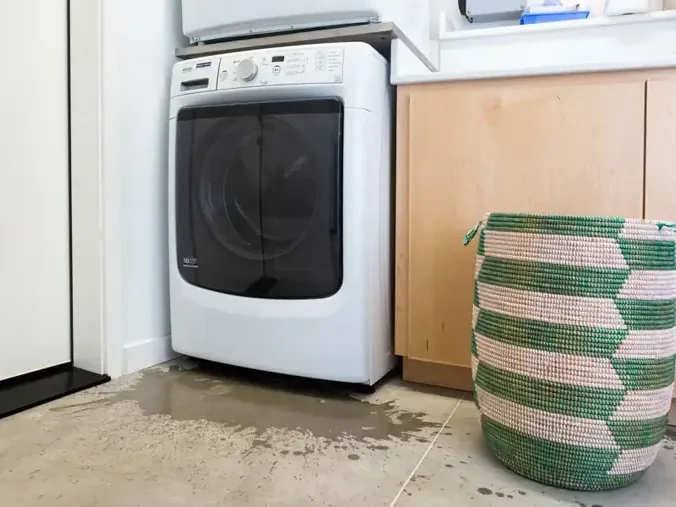
Appliance Leak Water Damage in Brandon
Hidden moisture beneath appliances calls for careful access.
View service details ›Water Heater Leak Cleanup questions in Brandon, FL
Does replacing the heater complete the water cleanup?
Replacement addresses the failed equipment, while water already released can remain in nearby finishes and belongings. The enclosure, wall bases and connected floor layers need their own assessment. Cleanup may continue after a new heater is installed. Coordinating the work helps keep damp sections accessible and gives the owner separate records for equipment replacement and building damage recovery.
What should happen if hot water is still escaping?
Occupants should remain clear of the discharge and report the active release. Supply and energy conditions need appropriate professional attention before anyone approaches wet controls or moves the tank. The cleanup plan follows safe source isolation. Describing the flow and nearby electrical exposure during the initial call helps establish which hazards must be addressed before removal work begins.
Can wet boxes against the wall affect the building?
Absorbent stored items can hold moisture against wallboard, trim or cabinet surfaces. Moving them requires attention to weight, condition and safe access. Their original position should be documented when possible. Inspection of the exposed wall and floor then helps determine whether water remained trapped there and whether material removal or controlled drying is needed before storage returns.
Why inspect the room on the other side of the wall?
A tank spill can travel beneath a partition or through connected floor layers. The first visible puddle may therefore underestimate the wet area. Checking the adjoining room helps identify damp trim, flooring or cabinet components that would otherwise be missed. The actual moisture boundary should determine the cleanup scope rather than the room where the heater happened to stand.
Should the old tank be moved to improve drying access?
Equipment movement should be coordinated with the professional handling its disconnection and removal. A tank can remain heavy and connected to hazardous systems. Once safe removal is arranged, cleanup can inspect the footprint and surrounding surfaces more effectively. The owner should avoid moving it independently simply to expose a puddle or create space for household drying equipment.
Can a new enclosure cover the area immediately?
A replacement base or enclosure can obstruct access to wet material beneath or behind it. Inspection and necessary drying should be coordinated before that section is closed. The installer needs to know whether the surrounding substrate or wall remains affected. A clear schedule allows equipment replacement to proceed while respecting the condition of the materials that will be covered.
Which documents belong with a heater spill claim?
Useful records include photos of the original release, the equipment diagnosis, invoices and the cleanup scope. A separate item list can describe belongings affected in the storage area. Moisture records explain the building recovery work. Keeping those documents together helps show the difference between replacing the heater, drying nearby materials and restoring finishes damaged by the spill.
Coordinate replacement with the drying work
The cleanup plan identifies wet materials that need attention before equipment and finishes cover them again.
(888) 621-2041Discuss the heater enclosure damage