Sewage Backup Cleanup in Brandon
Wastewater on a bathroom floor calls for separation from occupied rooms. The cleanup plan addresses contaminated materials, controlled removal and cleaning before the remaining structure is evaluated for drying.
(888) 621-2041Arrange assessment of wastewater damage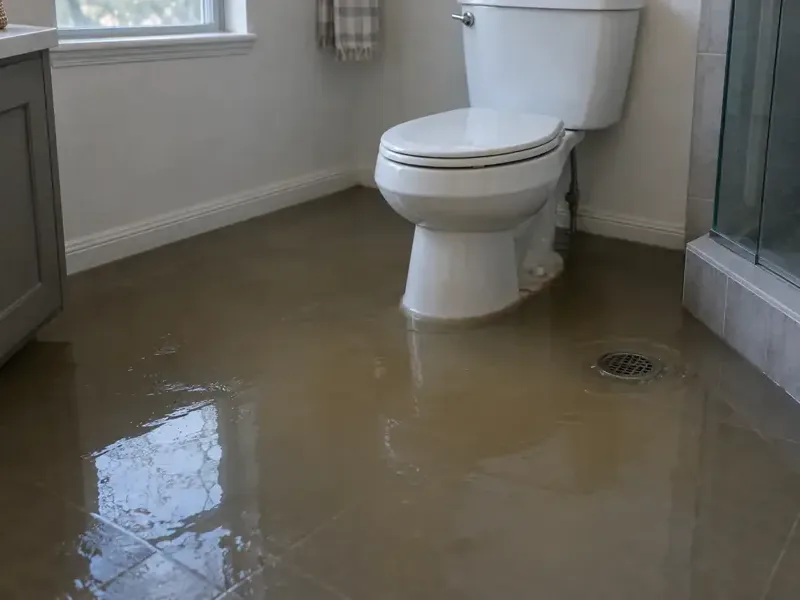
A sewage backup in Brandon changes how a wet room should be handled. The concern extends beyond a puddle to every surface and object the wastewater touched. Occupants should stay outside the affected area while the source is assessed and a controlled route for water removal, debris handling and cleaning is established.
First steps for sewage backup cleanup
- Close off affected access. Keep people and pets outside the wastewater area. An alternate route helps prevent contamination from spreading into adjoining rooms during assessment.
- Limit fixture use. Report recurring discharge and avoid unnecessary fixture use until the drain problem is evaluated. A source repair plan prevents cleanup from being repeatedly interrupted.
- Leave soaked objects contained. Do not carry contaminated rugs or belongings through clean space. Record affected items from a safe position for the handling and disposal discussion.
- Describe the contact area. Mention nearby cabinets, carpet edges and wall surfaces touched by wastewater. The visible pool may be smaller than the area needing controlled cleanup.
How sewage backup cleanup works
Establish controlled room access
Inspection identifies contaminated surfaces, affected materials and equipment routes. Occupied areas are considered before wastewater or damaged items are moved through the building for disposal.
Remove the contamination load
Accessible sewage is recovered with appropriate handling. Porous finishes and belongings are evaluated individually, with material decisions documented according to exposure and physical condition.
Clean retained contact surfaces
After gross contamination leaves the room, retained surfaces receive specified cleaning. Hidden edges remain part of the scope before equipment is arranged for structural drying.
Assess the cleaned room
Moisture readings track retained materials after cleaning. Completion notes identify finished tasks and replacement needs that must be addressed before the room returns to use.
Keep the affected room separate
Foot traffic can carry contamination into an otherwise dry hallway. Shoes, cleaning tools and soaked belongings all need deliberate handling. A bathroom in Limona may have a small visible spill but still require inspection beneath a vanity or at a floor transition. The cleanup boundary follows contact with wastewater rather than the room label.
Household fans should remain off in the contaminated area. Moving air across sewage before cleanup can spread material into adjacent space. The initial work focuses on containment, safe access and removal; controlled drying follows after the cleaning and material decisions have been made.
- Keep pets and children away from the room and any belongings touched by wastewater.
- Report whether the backup continues when fixtures are used elsewhere inside the property.
- Avoid carrying soaked rugs or towels through clean living areas for informal disposal.
- Identify dry access that allows equipment to reach the affected room with limited traffic.
Distinguish the drainage repair from indoor cleanup
A drain professional evaluates the blockage or failure that allowed wastewater to return. Stopping that condition does not clean the room. The indoor scope needs to identify contaminated finishes and belongings, determine what can be retained, and explain how surfaces will be cleaned before moisture recovery proceeds.
Brandon Support Operations Complex offers Water Resources services for starting, stopping or transferring water and wastewater accounts. Property service questions belong with the relevant provider. The cleanup assessment addresses the actual indoor contact areas and coordinates around whatever repair is needed to prevent another release during the work.
Sewage Backup Cleanup help
Wastewater cleanup begins with a controlled boundary and a clear account of contact surfaces. Describe the affected room, continuing discharge and any dry route available for equipment access.
Make material decisions before setting the drying plan
Porous items can hold contamination below a surface that looks washable. Carpet backing, absorbent wallboard and cabinet components require evaluation according to exposure and condition. Retained hard surfaces need controlled cleaning. Once those tasks are complete, structural drying can address remaining moisture in the building materials selected to stay.
Do not mix household cleaning chemicals
Cleaning products need appropriate selection and handling throughout the contaminated room. Occupants should avoid combining products or attempting cleanup around wet electrical devices. Restricted access and professional assessment are the useful first steps while the drainage source is brought under control.
Document the contact boundary and removed items
For a property in Barrington Oaks East, photographs of the initial spill and an item list can help explain why materials were removed. The completed scope should distinguish disposal, cleaning, drying and replacement work. That record supports an orderly handoff before damaged finishes are rebuilt and the room is occupied again.
What does sewage backup cleanup cost in Brandon, FL?
Brandon sewage cleanup planning ranges run from $1,500 to $8,000. Contamination spread, porous material removal and access influence the estimate. Drain repair and replacement finishes should remain clearly identified when the written scope is reviewed.
Small hard-floor backup
$1,500 to $3,000
- Contained contact area
- Accessible hard surfaces
- Initial cleanup setup
Multiple wet finishes
$3,000 to $5,500
- Porous material removal
- Several contact surfaces
- Controlled room drying
Extensive contamination
$5,500 to $8,000
- Broader affected space
- Additional handling needs
- Expanded cleaning scope
The water damage cost calculator gives an estimate only. The inspection determines the scope, including water category, affected area, material class and drying delay.
Measured care for sewage backup cleanup
Rapid local response
The response team treats spreading water as urgent and gathers the source, room count and safe access details. Dispatch operates 24/7; conditions and availability determine the response.
IICRC S500 drying standard
The drying crew compares affected assemblies with dry reference materials, adjusts equipment to the evaporation load, and records progress. A dry-looking surface alone does not complete the work.
Claim-ready documentation
The technician links photographs to the moisture map and records material removal, equipment placement and drying readings. That record explains the restoration scope without promising an insurer's decision.
Local water experts
A property inspection distinguishes rain entry, an internal supply leak and contaminated outside water. The restoration plan follows the actual source and materials, with access and safety assessed separately.
Sewage backup cleanup in Brandon
Cleanup requests for Limona, Barrington Oaks East and adjoining neighborhood properties should identify where wastewater appeared and which rooms remain dry. Access planning helps keep equipment movement and material handling separate from occupied areas while the drainage problem is addressed.
The same service nearby: sewage backup cleanup in Lithia, Valrico, Bloomingdale.
Related water damage services in Brandon

Water Extraction and Removal in Brandon
Standing water removal reaches flooring edges and adjoining rooms.
View service details ›
Structural Drying and Dehumidification in Brandon
Material readings guide airflow, humidity control and drying completion.
View service details ›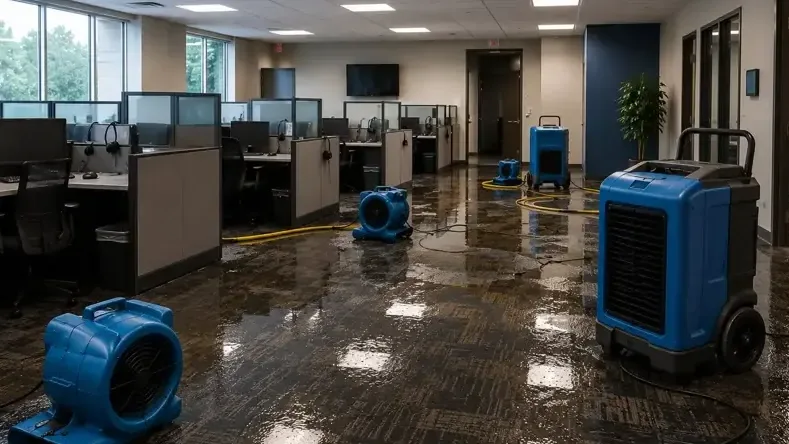
Commercial Water Damage in Brandon
Work areas and access routes are coordinated during commercial drying.
View service details ›Sewage Backup Cleanup questions in Brandon, FL
Can the bathroom be used after the puddle is removed?
Visible water removal is only part of sewage cleanup. Contamination can remain on surfaces and in porous materials, while the drain problem may still allow another backup. The room should remain restricted until the cleaning scope and source status are reviewed. Drying and replacement work may also be necessary before ordinary use can safely resume.
Should a household fan run during a sewage backup?
Fans should not blow across untreated wastewater. Air movement can distribute contamination into nearby occupied space and complicate the cleanup boundary. The first priorities are restricting access, controlling the source and removing affected material appropriately. Drying equipment is considered after the room has been cleaned and the retained building materials are ready for that stage.
Why might a rug need removal when tile can stay?
Absorbent backing and fibers can retain contamination below the visible surface. Tile and other hard materials may be suitable for cleaning, depending on condition and the assembly beneath them. Each item needs evaluation based on exposure. A material decision should account for hidden contact areas instead of assuming every object that looks washable can be restored.
Does stopping the drain backup complete the job?
Drain repair addresses the reason wastewater entered the room. It does not remove contamination from floors, walls or belongings already exposed. Indoor recovery requires its own scope for water removal, damaged material handling and cleaning. Keeping these tasks distinct helps an owner understand why cleanup can continue after fixtures drain normally and the immediate flow has ended.
What belongings should be included in the damage record?
List anything contacted by wastewater, including items stored low inside cabinets or resting on the floor. Photographs should show location and condition without requiring entry into unsafe space. Cleanup staff can discuss which items are suitable for evaluation, cleaning or disposal. Keeping the list with the work scope avoids losing track of belongings during material removal.
Can a small backup affect the adjoining hallway?
Wastewater can pass beneath a doorway or wick into absorbent edges before a large pool becomes visible. Foot traffic may also carry contamination beyond the original room. Inspection should follow both liquid contact and handling routes. The cleaning boundary can therefore include a floor transition or nearby surface even when the main spill stayed inside the bathroom.
How are cleanup costs different from replacement costs?
The cleanup portion covers tasks such as wastewater removal, disposal of affected material, cleaning and drying. Replacing cabinetry, flooring or wall finishes may involve another contractor or a separate estimate. Drain repair can also be independent. A useful written proposal identifies these divisions so the owner can see what is included and what remains after the cleanup phase.
Restore a clear separation from living space
An assessment identifies material handling, cleaning and drying needs after the drain source is addressed.
(888) 621-2041Check the wastewater contact area