Crawl Space Water Removal in Brandon
Water beneath a raised floor can remain out of sight while insulation and timber stay wet. For a property with an accessible crawl space, assessment begins with entry conditions and the source below.
(888) 621-2041Discuss water beneath the occupied floor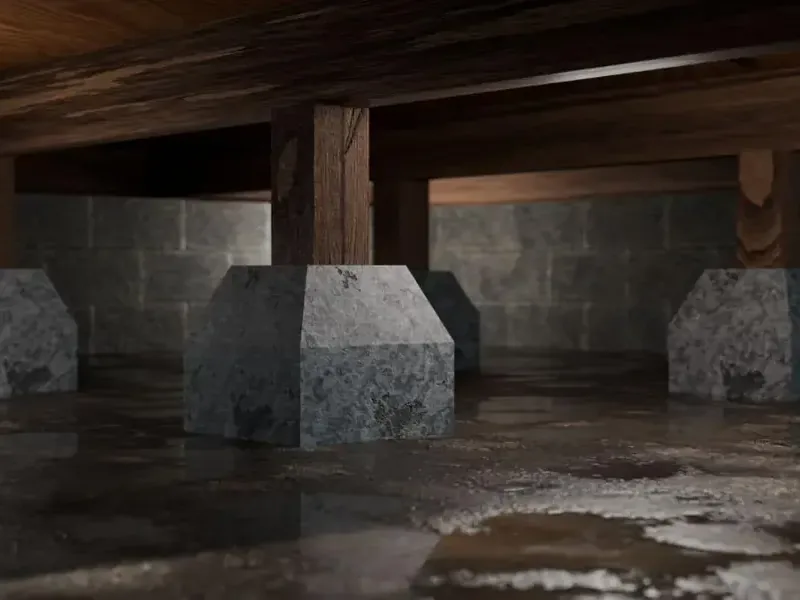
An underfloor water problem needs a view of the space that occupants rarely use. For a Brandon property with an accessible crawl space, the assessment considers the entry opening, water depth and building services beneath the floor. No one should crawl into pooled water simply to discover how far it extends.
First steps for crawl space water removal
- Describe the opening safely. Report the access location and visible conditions from outside the space. Do not crawl through standing water to improve the description or retrieve belongings.
- Identify ongoing entry. Mention dripping plumbing or water that returns after receding. The source needs attention alongside removal so the underfloor area is not repeatedly wetted.
- Keep the access route clear. Dry exterior access can help equipment reach the opening. Avoid disturbing damaged supports, wet insulation or utilities before the space has been assessed.
- Note changes above the space. Describe any floor movement, dampness or finish changes in the room overhead. These observations help connect the underfloor inspection with the affected assembly.
How crawl space water removal works
Assess the entry hazards
The inspection determines whether safe access is possible and identifies utilities, obstructions and water conditions. Those findings establish how underfloor recovery can be approached.
Recover the pooled water
Equipment addresses accessible liquid while source status is monitored. Clearing the water improves access for evaluating insulation and building components beneath the occupied floor.
Dry the retained timber
Damaged insulation is evaluated before structural drying begins. Monitoring checks the underside of the floor and accessible wet timber for response to the equipment arrangement.
Document source and repair needs
The handoff identifies completed removal, drying results and unfinished repairs. Further source correction or floor work can account for the condition recorded beneath the room.
Establish access before planning the removal method
A narrow opening, low clearance or obstructed route can affect both inspection and equipment placement. Wiring, damaged supports and contamination concerns add further questions. The first conversation should describe what can be seen from a safe exterior position and whether a plumbing or outdoor source has already been identified.
Brandon Hills is a neighborhood where a property owner can discuss an underfloor inspection if that construction is present. The actual space determines the work. A visible puddle near the access opening may connect to a larger area, so the inspection needs to establish a boundary before the removal and drying scope is settled.
- Keep occupants away from an opening with pooled water or visible electrical hazards beneath it.
- Describe safe exterior access without entering the confined area to take additional measurements.
- Report damp insulation, dripping plumbing or a changed floor condition noticed from accessible positions.
- Leave stored debris and building components undisturbed until handling and access have been assessed.
Separate ground water from wet building materials
Pooled water and absorbed moisture require different recovery tasks. Removing the liquid makes inspection easier, but insulation and timber may remain affected. Wet insulation can obstruct access to the floor assembly and may need removal based on condition. Retained structural materials then require moisture checks and a drying approach suited to the available space.
For an affected property in Limona, the source may need a plumber or another appropriate contractor while cleanup handles the interior underfloor consequences. Continuing entry can undermine drying progress. The work discussion should therefore identify who is addressing the source and how its status will be communicated during recovery.
Crawl Space Water Removal help
An underfloor pool needs an access plan before removal begins. Describe the opening, visible water and any known source so the assessment can address the actual space beneath the property.
Reach the underside of the floor during drying
Air circulation in an occupied room does not necessarily reach the materials below it. Structural drying should consider the accessible underside and any wet layers connected to it. Monitoring locations help show whether retained timber is responding or whether trapped sections need further access before the equipment arrangement changes.
Leave confined wet spaces to assessed entry
Crawl space access can combine poor footing, restricted movement and concealed utilities. Occupants should not enter to move a household pump or fan through standing water. A safe assessment establishes whether entry is appropriate and how equipment can be placed without exposing people to unnecessary hazards.
Close the work with a usable condition record
In Hill-Dale Heights, an owner should receive a clear account of removed water, insulation decisions and retained material readings. Any source correction or floor repair that remains belongs in that record. The purpose is to explain the condition beneath the occupied room before access is closed and normal storage or use resumes.
What does crawl space water removal cost in Brandon, FL?
Crawl space water removal in Brandon has planning ranges from $1,200 to $6,500. Entry restrictions, pooled water and wet insulation affect the scope. Source correction and structural repairs should be distinguished from removal and underfloor drying in the estimate.
Accessible pooled area
$1,200 to $2,500
- Defined water pocket
- Suitable equipment access
- Initial timber checks
Water and wet insulation
$2,500 to $4,500
- Insulation condition assessment
- Selective material handling
- Underfloor moisture recovery
Extensive underfloor wetness
$4,500 to $6,500
- Broader affected assembly
- Complex access needs
- Expanded drying monitoring
The water damage cost calculator gives an estimate only. The inspection determines the scope, including water category, affected area, material class and drying delay.
Measured care for crawl space water removal
Rapid local response
The response team treats spreading water as urgent and gathers the source, room count and safe access details. Dispatch operates 24/7; conditions and availability determine the response.
IICRC S500 drying standard
The drying crew compares affected assemblies with dry reference materials, adjusts equipment to the evaporation load, and records progress. A dry-looking surface alone does not complete the work.
Claim-ready documentation
The technician links photographs to the moisture map and records material removal, equipment placement and drying readings. That record explains the restoration scope without promising an insurer's decision.
Local water experts
A property inspection distinguishes rain entry, an internal supply leak and contaminated outside water. The restoration plan follows the actual source and materials, with access and safety assessed separately.
Crawl space water removal in Brandon
Requests for properties in Brandon Hills, Limona and Hill-Dale Heights should describe whether an accessible crawl space is present. Mention the entry opening, visible water and any known source concerns. The assessment is planned around the actual underfloor construction and access conditions.
The same service nearby: crawl space water removal in Lithia, Valrico, Bloomingdale.
Related water damage services in Brandon

Water Extraction and Removal in Brandon
Standing water removal reaches flooring edges and adjoining rooms.
View service details ›
Structural Drying and Dehumidification in Brandon
Material readings guide airflow, humidity control and drying completion.
View service details ›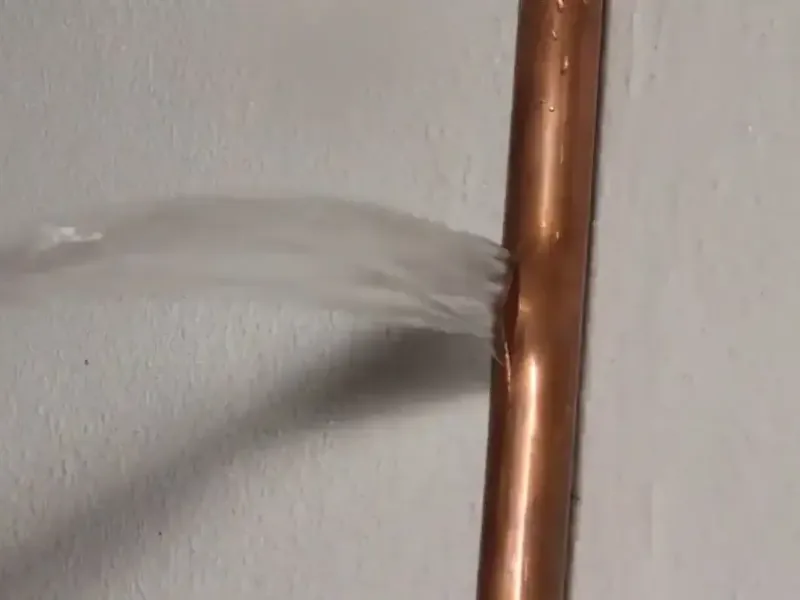
Burst Pipe Water Damage in Brandon
A stopped supply leak leaves wet layers to inspect and dry.
View service details ›Crawl Space Water Removal questions in Brandon, FL
Does this service apply to every local home?
The service applies when the property actually has a crawl space that can be assessed for safe access. Foundation arrangements vary by individual building. The initial conversation should describe the visible opening and known construction rather than assume an underfloor space exists. That information helps determine whether this service or another water damage assessment fits the problem.
Should an owner crawl inside to photograph pooled water?
Photographs should be limited to positions that are already safe and accessible. Entering a wet confined space can expose a person to utilities, poor footing and restricted movement. A description of what is visible at the opening is useful. The appropriate assessment establishes safe entry and equipment access before anyone moves through the pooled water beneath the floor.
Why can insulation need removal after water is pumped out?
Insulation may remain saturated, deteriorated or obstruct access to the structure above it. Removing pooled liquid does not resolve that condition. The material should be evaluated according to exposure and its ability to remain useful after drying. Any removal should be explained in the scope so the owner understands how it supports inspection and recovery of the floor assembly.
Will indoor fans dry the underside of the floor?
Air moving across the room above may not reach the underside of the assembly. The drying arrangement needs to address the actual wet layers and the access available beneath them. Material readings help determine whether moisture is decreasing. A comfortable room overhead should not be used as the only measure of conditions inside the crawl space.
What if water returns after the first removal?
Returning water requires another look at the source and entry route. Plumbing leakage or other continuing inflow can prevent the space from stabilizing. The owner should report the change and coordinate the appropriate source correction. Removal equipment may address accumulating liquid, but the drying plan also needs reliable information about whether the area is still being wetted.
Are soft floor spots part of the cleanup assessment?
Changes in the floor above should be reported because they can affect safety and indicate material deterioration. The cleanup inspection can document wet conditions, while structural concerns may require a separate qualified evaluation. Drying cannot automatically restore lost strength. The work record should identify any remaining assessment or repair needed before the affected area returns to ordinary use.
How can the owner check work that is difficult to see?
Photos of accessible inspection areas, a written removal scope and moisture records provide a useful account. The documentation should distinguish water recovery, insulation decisions and drying of retained materials. It should also identify unresolved source work or repairs. That record helps the owner understand the condition beneath the floor without needing to enter a restricted or hazardous space.
Understand the condition below the room
A documented scope connects pooled water removal with insulation decisions and retained timber drying.
(888) 621-2041Discuss the crawl space conditions