Roof Leak Water Damage in Brandon
A ceiling stain may be the last visible stop on a longer rainwater path. Roof leak recovery checks the attic and interior materials after the roof entry point receives appropriate repair.
(888) 621-2041Discuss the rainwater path indoors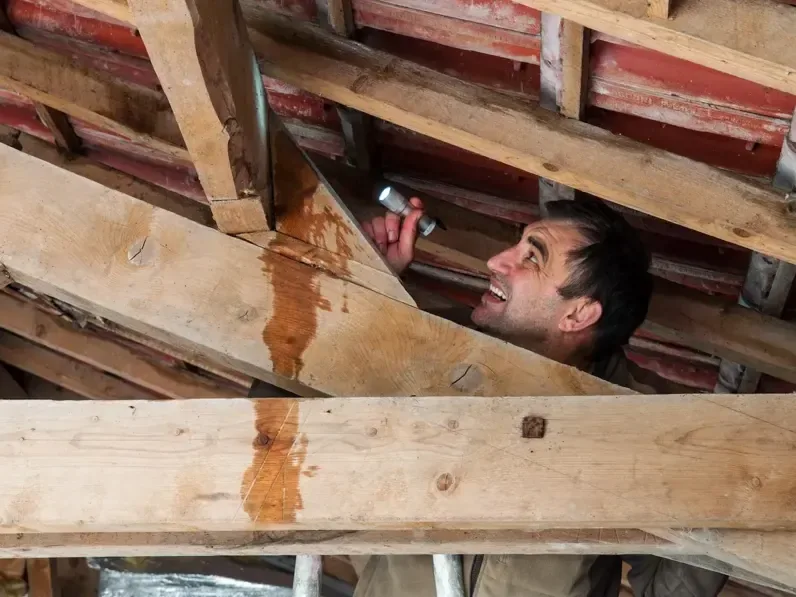
Rainwater can travel along roof framing before it reaches a ceiling finish. In Brandon, a new stain after rain calls for investigation of both the roof entry and the interior moisture path. Repairing the roof addresses incoming water, while the cleanup assessment determines what happened to insulation, framing and finishes below it.
First steps for roof leak water damage
- Protect space below. Keep people clear of sagging or loose ceiling material. Report water near light fixtures and avoid operating affected electrical equipment in the room.
- Note the rain connection. Record when dripping occurs relative to rainfall and photograph changes safely. These observations can help the roofing assessment identify the likely entry route.
- Arrange appropriate roof access. A roofer should assess the exterior source. Occupants should not climb onto wet roofing or use uncertain attic footing to follow the leak.
- Share the repair findings. Keep the roofing scope available for the cleanup discussion. Interior drying decisions need to account for whether the weather entry has been controlled.
How roof leak water damage works
Assess source and ceiling conditions
Roof repair status, ceiling stability and electrical concerns determine safe access. The inspection then identifies where further opening may be necessary to reach wet interior materials.
Trace the attic moisture path
Accessible framing, insulation and ceiling sections are checked for absorbed water. The findings distinguish the visible stain from the wider material exposure beneath the roof.
Dry the retained overhead assembly
Damaged finishes are evaluated before selective removal. Equipment addresses retained structure with particular attention to wet layers above the ceiling and inside any adjoining walls.
Prepare the interior repair record
Moisture results and replacement needs are explained to the owner. The handoff connects source repair with the retained assembly condition before ceiling finishes are restored.
Look above the stain before planning a patch
A discolored patch may conceal wet insulation resting on ceiling board. The visible mark can be smaller than the affected attic area, and a different section of framing may carry water toward the stain. Safe inspection looks for that path so removal and drying are directed at the materials actually involved.
Kensington Estates and Hill-Dale Heights provide neighborhood context for arranging access. The individual property determines whether an attic is accessible and how the affected ceiling can be inspected. Occupants should describe unusual sagging, repeated dripping and any nearby electrical fixtures before someone enters or works beneath the area.
- Keep furniture and occupants away from a ceiling that has changed shape or begun shedding material.
- Record whether dripping follows rainfall or continues after the weather has cleared.
- Share the roofer’s findings with the interior cleanup assessment when they become available.
- Leave attic entry to an appropriate professional when footing, wiring or ceiling support is uncertain.
Account for the moisture held above the room
Brandon has a humid subtropical climate, with long hot summers and mild dry winters. Indoor drying needs controlled conditions appropriate to the wet assembly. Ventilating casually or waiting for the room to feel comfortable may leave moisture in insulation and wood that cannot be judged from the floor below.
Damaged absorbent materials may require removal so retained framing can be reached. The scope should explain each decision and separate drying access from finish replacement. When wetness extends down a wall, inspection follows it to the base rather than stopping at the ceiling. Ceiling leak cleanup addresses the overhead room damage where that becomes the main concern.
Roof Leak Water Damage help
A recurring rain stain needs attention above the painted surface. Describe the roof repair status and ceiling changes so the interior assessment can follow the moisture through the assembly.
Coordinate the roof work with interior recovery
A roofer establishes the repair needed to close the weather entry. Cleanup can then proceed with a clearer expectation that the assembly will not be wetted again. If temporary protection is involved, its status belongs in the work discussion so equipment and open interior areas can be planned around remaining exposure.
A wet ceiling can lose its strength
Occupants should not puncture a bulge or stand beneath loose material to collect drips. The room may need restricted access while the condition is assessed. Water near a light fitting also requires electrical attention before cleanup or ceiling removal takes place.
Close the ceiling after the retained structure is ready
For a property near Kingsway Avenue, the useful handoff is a record of source repair and the condition of the materials that remain. Paint can cover a stain without changing the moisture above it. Final measurements and an explanation of replacement needs help the owner schedule ceiling repairs in a sensible order.
What does roof leak water damage cost in Brandon, FL?
Roof leak damage cleanup in Brandon has planning ranges from $800 to $5,500. Wet insulation, ceiling access and spread across framing affect the scope. Roofing repairs and decorative replacement should be identified separately from interior cleanup and drying.
Small ceiling area
$800 to $1,800
- Limited interior stain
- Accessible wet section
- Focused moisture checks
Attic and ceiling wetness
$1,800 to $3,500
- Wet insulation assessment
- Selective overhead access
- Retained framing drying
Several affected bays
$3,500 to $5,500
- Wider attic involvement
- Additional material removal
- Expanded drying arrangement
The water damage cost calculator gives an estimate only. The inspection determines the scope, including water category, affected area, material class and drying delay.
Measured care for roof leak water damage
Rapid local response
The response team treats spreading water as urgent and gathers the source, room count and safe access details. Dispatch operates 24/7; conditions and availability determine the response.
IICRC S500 drying standard
The drying crew compares affected assemblies with dry reference materials, adjusts equipment to the evaporation load, and records progress. A dry-looking surface alone does not complete the work.
Claim-ready documentation
The technician links photographs to the moisture map and records material removal, equipment placement and drying readings. That record explains the restoration scope without promising an insurer's decision.
Local water experts
A property inspection distinguishes rain entry, an internal supply leak and contaminated outside water. The restoration plan follows the actual source and materials, with access and safety assessed separately.
Roof leak water damage in Brandon
Owners in Kensington Estates and Hill-Dale Heights can discuss interior damage after a roof leak. Mention ceiling changes, accessible attic areas and the status of roofing work. The cleanup scope follows the actual rainwater path through the property’s affected materials.
The same service nearby: roof leak water damage in Lithia, Valrico, Bloomingdale.
Related water damage services in Brandon
Ceiling Leak Water Damage in Brandon
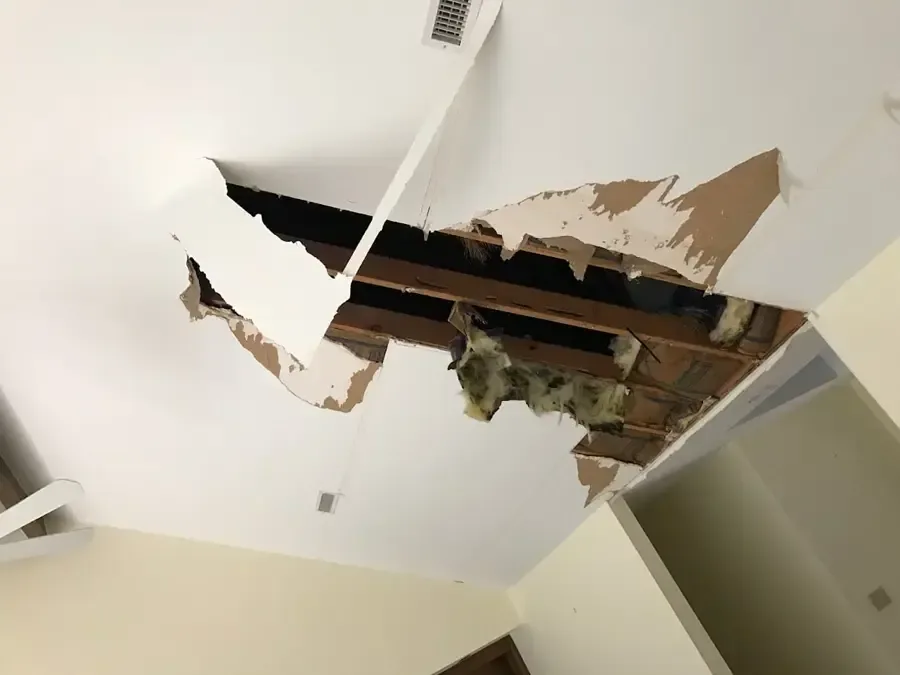
Sagging ceilings need safe access before damaged material is removed.
View service details ›
Structural Drying and Dehumidification in Brandon
Material readings guide airflow, humidity control and drying completion.
View service details ›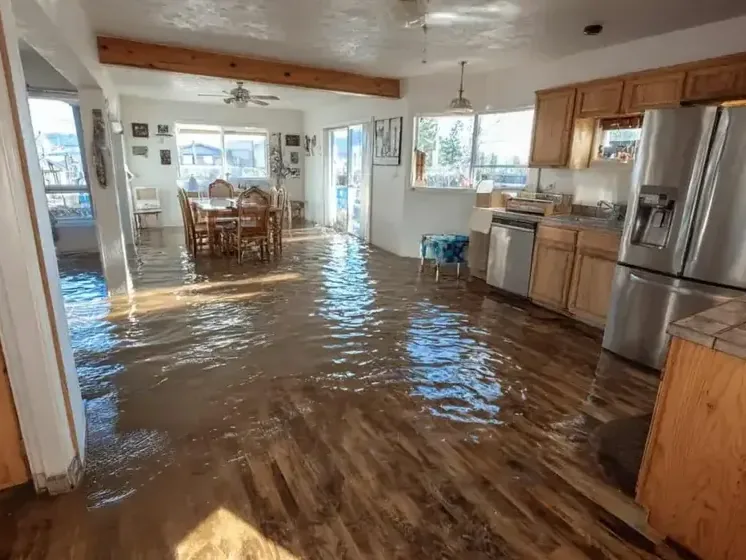
Storm and Flood Cleanup in Brandon
Outside floodwater needs an entry assessment and a cleanup plan.
View service details ›Roof Leak Water Damage questions in Brandon, FL
Does repairing the roof dry the ceiling underneath?
Roof repair stops the entry route when the work is effective, but absorbed water remains inside the assembly until it is removed or dried. Wet insulation, framing and ceiling board need assessment. The owner should coordinate the roofing findings with interior recovery so a completed exterior repair is not mistaken for confirmation that the ceiling materials are ready to close.
Why can the stain be far from the roof opening?
Water may travel along framing or other surfaces before reaching an absorbent ceiling finish. The visible stain marks where moisture became apparent, which can differ from the original entry location. An appropriate roof assessment and interior inspection help connect those points. Cleanup should follow the wet materials rather than assume that everything directly above the stain is the entire problem.
Should a bucket stay beneath a bulging ceiling?
Nobody should stand under unstable ceiling material to place or empty a container. A bulge can indicate retained water and weakened board. Keep the room restricted and describe the condition during the initial call. Safe assessment may require electrical isolation and controlled access before the damaged section can be handled or the water above it can be addressed.
Can insulation remain after rainwater has soaked it?
Insulation condition, water exposure and the ability to reach the surrounding assembly determine that decision. Some wet material may obstruct drying or lose its useful form. The scope should explain whether removal is necessary and which areas are affected. Retaining insulation should follow an assessment of the material and its location, rather than a desire to avoid any ceiling access.
Will opening windows provide enough attic drying?
Open windows change room air but may have little effect on moisture held above the ceiling. Outdoor humidity can also influence the drying conditions. A recovery plan considers the affected assembly, appropriate air movement and moisture removal. Readings taken at retained materials show whether the method is working and whether inaccessible sections still need attention before repair.
What records should the roofer and cleanup team share?
Useful records include the identified roof entry, repair status, interior wet areas and any materials removed for access. Photos help relate the visible stain to the opened assembly. Moisture results then describe drying progress. Keeping these details together gives the owner a clearer account of work completed and helps the ceiling contractor understand what remains before replacing finishes.
Can the stain be painted once dripping stops?
Dripping can stop while insulation or framing remains wet. Painting at that point hides the visible symptom without resolving the retained moisture. The assembly should be inspected and dried as needed before cosmetic repairs proceed. The final work discussion should identify which materials can remain and what must be replaced so the restored ceiling covers a properly assessed area.
Connect roof repair with interior recovery
The next step is a clear scope for affected insulation, framing and ceiling finishes.
(888) 621-2041Discuss rain damage above the room