Commercial Water Damage in Brandon
A wet business space needs a recovery plan that accounts for people, stock and access. Inspection defines the affected area so cleanup decisions can be coordinated with the property’s operational needs.
(888) 621-2041Discuss the affected business areas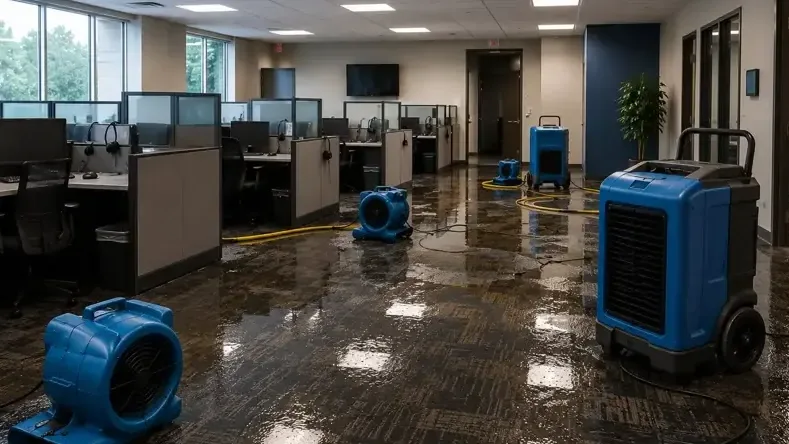
Water damage inside a Brandon business can interrupt more than the room where the release began. Shared access, stored stock and neighboring spaces may all affect the recovery plan. The first assessment should identify the property contact, source status and areas that must remain separated while the wet boundary is investigated.
First steps for commercial water damage
- Name the property contact. Provide the person authorized to arrange entry and discuss work. Shared premises may also require coordination with other occupants before inspection crosses into connected spaces.
- Separate public and work access. Keep customers and staff away from wet or unstable areas. Describe any usable entrance through unaffected space so the assessment can plan appropriate equipment access.
- Record stock and building damage. Photograph affected items safely and maintain a separate list of wet stock, records and equipment. Building finishes need their own inspection and recovery description.
- Explain operational restrictions. Mention occupied rooms, restricted storage and scheduling concerns. Those details help the cleanup plan account for ongoing activity while preserving the access needed for effective recovery.
How commercial water damage works
Assess occupancy and access
Inspection establishes the wet boundary, hazards and access authority. Neighboring occupants and ongoing operations influence equipment routes and the locations chosen for material handling.
Separate building and contents records
Affected finishes and wet stock receive distinct documentation. The written scope identifies structural cleanup while preserving the additional decisions needed for equipment and business belongings.
Coordinate the drying zones
Water removal, cleaning and necessary disposal precede equipment placement. Monitoring then follows retained materials while accounting for the practical access requirements within the premises.
Document outstanding operational tasks
The handoff records drying results, finish replacement and unresolved contents decisions. The property contact can coordinate contractors with a clear account of completed recovery work.
Define access before equipment reaches the premises
Brandon Boulevard is also known as State Road 60. For business premises along that corridor, useful arrival information includes the correct entrance, restrictions on occupied areas and the person authorized to provide access. The interior layout and current damage determine the cleanup sequence once the assessment reaches the affected space.
Employees and customers should not pass through water or unstable finishes simply because the usual entrance is convenient. A safe route through unaffected space may be possible, but that decision depends on the actual conditions. The work discussion should explain which areas are restricted and how equipment movement will interact with continuing operations.
- Identify an authorized property contact who can explain access limits and approve the proposed work.
- Describe stock, records or equipment that became wet separately from the building finish damage.
- Report shared walls and adjoining spaces where water may have crossed an occupancy boundary.
- Keep normal foot traffic away from wet electrical equipment, contaminated water and unstable ceiling areas.
Map the business loss by material and use
Office flooring, storage areas and utility rooms may require different recovery decisions. The inspection follows water beneath partitions and through connected layers while noting the use of each affected area. An owner or manager should receive a scope that distinguishes building work from evaluation of stock, furnishings and equipment exposed during the release.
Brandon Regional Library shares a building with Center Place Fine Arts and Civic Association. Shared buildings are a useful local example of why separate uses and access arrangements matter when planning work. At an affected commercial property, coordination should establish who controls each area before removal or equipment placement crosses an internal boundary.
Commercial Water Damage help
Describe the affected operations, access contact and rooms that became wet. A commercial assessment connects material recovery with the practical needs of the premises and its occupants.
Plan drying around a defined affected zone
After extraction and necessary cleaning, structural drying addresses the materials selected to remain. Equipment should serve the wet assembly while preserving appropriate access around unaffected operations. The plan may change as measurements reveal concealed spread or a section that needs additional opening. Those changes should be communicated through the designated property contact.
Reopening depends on conditions inside
Room conditions determine when an affected business area is ready for use. Electrical hazards, contamination and unstable materials need appropriate assessment. Managers should keep affected access controlled and discuss occupancy decisions alongside the cleanup scope, including any separate professional evaluations the premises require.
Provide records that support the next contractor
The closing record should identify completed removal, retained material readings and remaining reconstruction. Stock and equipment decisions should stay visible as separate tasks so they are not lost inside the building estimate. That organized handoff helps the owner coordinate finish repairs and operational arrangements around the condition of the affected premises.
What does commercial water damage cost in Brandon, FL?
Commercial water cleanup in Brandon has planning ranges from $2,000 to $15,000+. Affected floor area, access restrictions and material complexity shape the estimate. Stock, equipment repair and reconstruction should be separated from building cleanup and monitored drying in the scope.
Limited business room
$2,000 to $4,000
- Contained room damage
- Accessible wet finishes
- Focused recovery setup
Several connected spaces
$4,000 to $8,000
- Shared access planning
- Multiple material types
- Expanded drying monitoring
Broad commercial loss
$8,000 to $15,000+
- Extensive interior damage
- Complex work coordination
- Broader removal needs
The water damage cost calculator gives an estimate only. The inspection determines the scope, including water category, affected area, material class and drying delay.
Measured care for commercial water damage
Rapid local response
The response team treats spreading water as urgent and gathers the source, room count and safe access details. Dispatch operates 24/7; conditions and availability determine the response.
IICRC S500 drying standard
The drying crew compares affected assemblies with dry reference materials, adjusts equipment to the evaporation load, and records progress. A dry-looking surface alone does not complete the work.
Claim-ready documentation
The technician links photographs to the moisture map and records material removal, equipment placement and drying readings. That record explains the restoration scope without promising an insurer's decision.
Local water experts
A property inspection distinguishes rain entry, an internal supply leak and contaminated outside water. The restoration plan follows the actual source and materials, with access and safety assessed separately.
Commercial water damage in Brandon
Business damage assessments can be discussed along State Road 60 and near Kingsway Avenue. Describe the building access, affected operations and any occupied neighboring space. A property contact authorized to arrange entry and explain restrictions helps coordinate the inspection and recovery scope.
The same service nearby: commercial water damage in Lithia, Valrico, Bloomingdale.
Related water damage services in Brandon
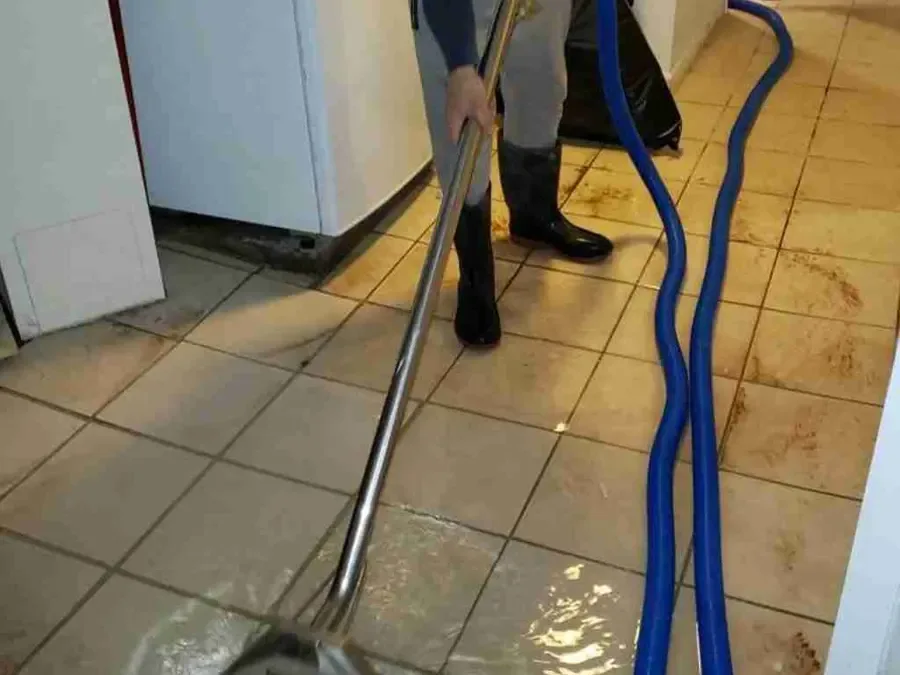
Water Extraction and Removal in Brandon
Standing water removal reaches flooring edges and adjoining rooms.
View service details ›
Structural Drying and Dehumidification in Brandon
Material readings guide airflow, humidity control and drying completion.
View service details ›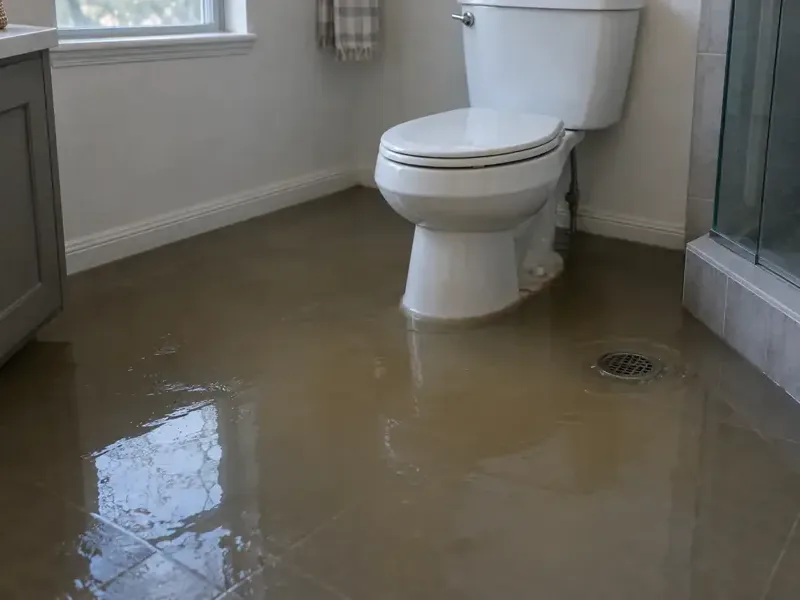
Sewage Backup Cleanup in Brandon
Contaminated water requires controlled removal and surface cleaning.
View service details ›Commercial Water Damage questions in Brandon, FL
Can a business keep using rooms that stayed dry?
Continued use depends on safe access, the source condition and how cleanup affects the premises. A dry room may still require passage through a hazardous area. The property contact should discuss occupancy needs during assessment so equipment routes and restricted zones can be established. Any separate electrical, structural or other necessary evaluations should inform the decision to use affected spaces.
Who should authorize work in shared premises?
The relevant owner, manager or authorized representative should establish access and approval arrangements before work crosses occupied boundaries. A release may affect several areas with different contacts. Identifying those responsibilities early helps coordinate inspection, removal and equipment placement. The cleanup scope should state the areas included so each party can understand the work being proposed for the property.
Should stock damage be included with the building estimate?
Wet stock and equipment should be recorded clearly, often as a separate part of the loss documentation. Building recovery addresses finishes and retained structural materials. Contents may need their own evaluation, handling or disposal decisions. Keeping the categories distinct helps the owner track unresolved items and avoids assuming that completion of room drying settles every business loss task.
What if water crosses into a neighboring occupied area?
The connected space needs appropriate access coordination and inspection. Water can travel beneath partitions or floor finishes before appearing in the next room. Report the possibility to the property contact so the assessment can establish the actual boundary. Recovery should follow affected materials while respecting access authority and the need to keep occupants clear of wet or contaminated areas.
Can drying equipment be moved for normal customer traffic?
Equipment placement serves the affected materials and should not be changed casually. A manager should raise access concerns so the arrangement can be reviewed and adjusted deliberately. A different route or setup may be possible, depending on conditions. Monitoring still needs to show that the revised arrangement supports drying and does not leave concealed sections without effective attention.
How should an estimate describe a changing scope?
Opening a wet assembly can reveal additional damage or trapped moisture. The revised scope should explain the new finding, affected area and proposed work before it is authorized. Clear updates help the property contact coordinate costs and operations. Keeping the original and revised descriptions together also shows how the recovery plan developed from the conditions discovered during cleanup.
What information helps plan finish repairs and reopening?
The closing record should identify source status, completed cleanup, retained material condition and remaining reconstruction. Any unresolved contents or safety evaluations should also remain visible in the handoff. That information supports coordination among the owner, repair contractors and relevant professionals. Reopening arrangements can then reflect the actual premises condition and outstanding work rather than the disappearance of surface water.
Coordinate cleanup with property operations
Clear records help organize drying, replacement finishes and the business tasks that remain after water removal.
(888) 621-2041Discuss access and affected operations