Structural Drying and Dehumidification in Brandon
A room can look dry while its wall bases and floor layers still hold water. Structural drying uses measurements, controlled air movement and dehumidification to address the moisture left inside retained materials.
(888) 621-2041Discuss moisture that remains inside
Structural drying in Brandon addresses water that remains after the floor has been cleared. The community has a humid subtropical climate, so the condition of indoor air matters during recovery. Dehumidification removes released moisture from that air while appropriate movement and access help wet materials give up the water they retain.
First steps for structural drying and dehumidification
- Describe the prior cleanup. State whether water has been removed and which materials were opened. Existing records help the assessment focus on the moisture that still needs attention.
- Keep affected layers accessible. Avoid replacing trim or covering exposed flooring before the drying check. Monitoring requires access to the retained material and any concealed sections under evaluation.
- Discuss room use and access. Mention occupied rooms, doorways and power concerns when equipment is arranged. The setup should allow appropriate monitoring and a practical route through unaffected space.
- Report changes during drying. New wet patches, stopped equipment or changing access conditions should be reported. Those observations can reveal a source issue or a need to adjust the arrangement.
How structural drying and dehumidification works
Establish material monitoring points
Inspection identifies retained assemblies, prior removal and suitable measurement locations. Initial readings define the drying goal and the sections needing particular attention as recovery progresses.
Arrange controlled indoor conditions
Equipment supports evaporation from accessible materials and removes moisture from room air. Placement accounts for assembly access, room layout and appropriate conditions for sustained operation.
Compare the drying response
Measurements from consistent locations show how each material responds. The findings determine whether placement, access or investigation of continued entry needs adjustment during the work.
Document the reconstruction handoff
Completion notes identify achieved material conditions and unresolved areas. Repair contractors can use these records when deciding how replacement finishes will cover the retained assembly.
Set a drying goal for the actual materials
Wood, wallboard and dense flooring assemblies do not respond identically. The assessment identifies the retained layers and establishes monitoring locations suited to their condition. Measurements from comparable unaffected material can help evaluate progress. The goal is a documented condition appropriate for repair, with attention to sections that started wetter or remain difficult to reach.
For a property in La Viva, drying may involve a wall base and connected floor rather than an entire room of equally wet surfaces. The equipment arrangement should reflect that distribution. A defined scope helps explain why air movement is directed into one opened section while another surface only needs monitoring.
- Keep the affected materials accessible so measurements can be taken in consistent locations during drying.
- Discuss equipment changes before switching units off or moving them to another part of the room.
- Report any new dripping or wet patch that could indicate a continuing source problem.
- Delay closing an assembly until the retained layers have received the required moisture check.
Adjust the arrangement when a section stops responding
Drying records should show change over time rather than a collection of unrelated readings. A stubborn wet area may need better access, different air movement or investigation of another material layer. In Kensington Estates, the inspection would follow the actual assembly at the property and explain any proposed adjustment before additional opening or equipment changes.
Removing more finish is not automatically the next step. The assessment considers whether a barrier is trapping moisture, whether the source has restarted and whether equipment conditions suit the room. Those distinctions keep decisions tied to the observed response of the materials. Water extraction may still be needed if accessible liquid remains.
Structural Drying and Dehumidification help
A room that looks dry may still need attention inside its materials. Describe the original loss and cleanup already completed so the remaining moisture can be assessed and tracked.
Keep occupancy compatible with the drying conditions
Equipment needs appropriate power and safe placement. Cords, hoses and access openings should be considered when planning how occupants move through unaffected space. Opening doors or windows and changing equipment operation can alter the indoor conditions. The owner should receive a practical explanation of the setup and how to report a concern.
Do not use appearance as the only endpoint
A surface can lose its visible wet sheen before moisture deeper in the assembly has fallen sufficiently. Covering it with new finishes can obstruct continued drying. The closing decision should include material readings and the requirements of the repair planned for that surface.
Give the repair contractor a meaningful handoff
A property in Limona benefits from records that identify monitored areas, remaining materials and outstanding replacement work. The final check should make clear which drying goals were reached and which repairs remain outside the cleanup scope. That information allows reconstruction to proceed with an understanding of the assembly being covered.
What does structural drying and dehumidification cost in Brandon, FL?
Structural drying in Brandon has planning ranges from $1,000 to $5,000. The moisture load, material layers and access needed for effective drying shape the scope. Equipment monitoring, prior extraction and replacement finishes should be clearly distinguished in the written estimate.
One drying zone
$1,000 to $2,000
- Defined wet assembly
- Accessible monitoring points
- Focused equipment arrangement
Several wet assemblies
$2,000 to $3,500
- Connected material layers
- Additional drying access
- Repeated condition check
Dense or broad moisture load
$3,500 to $5,000
- Complex retained materials
- Expanded equipment placement
- Wider moisture tracking
The water damage cost calculator gives an estimate only. The inspection determines the scope, including water category, affected area, material class and drying delay.
Measured care for structural drying and dehumidification
Rapid local response
The response team treats spreading water as urgent and gathers the source, room count and safe access details. Dispatch operates 24/7; conditions and availability determine the response.
IICRC S500 drying standard
The drying crew compares affected assemblies with dry reference materials, adjusts equipment to the evaporation load, and records progress. A dry-looking surface alone does not complete the work.
Claim-ready documentation
The technician links photographs to the moisture map and records material removal, equipment placement and drying readings. That record explains the restoration scope without promising an insurer's decision.
Local water experts
A property inspection distinguishes rain entry, an internal supply leak and contaminated outside water. The restoration plan follows the actual source and materials, with access and safety assessed separately.
Structural drying and dehumidification in Brandon
Drying assessments for La Viva, Kensington Estates and Limona properties focus on the materials affected by the loss. Describe previous extraction, opened walls and any equipment already running. That history helps establish where moisture remains and what monitoring the assembly needs next.
The same service nearby: structural drying and dehumidification in Lithia, Valrico, Bloomingdale.
Related water damage services in Brandon

Water Extraction and Removal in Brandon
Standing water removal reaches flooring edges and adjoining rooms.
View service details ›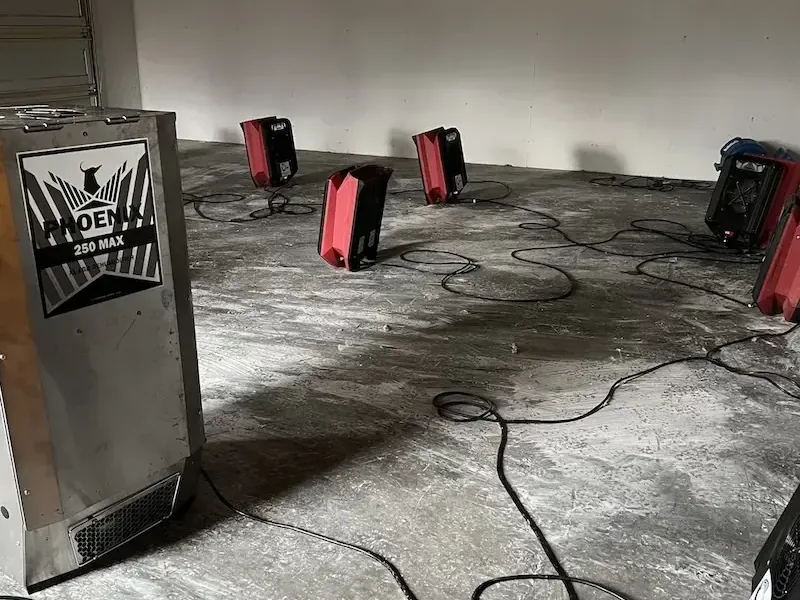
Slab Leak Water Damage in Brandon
Moisture mapping guides drying after an underfloor pipe repair.
View service details ›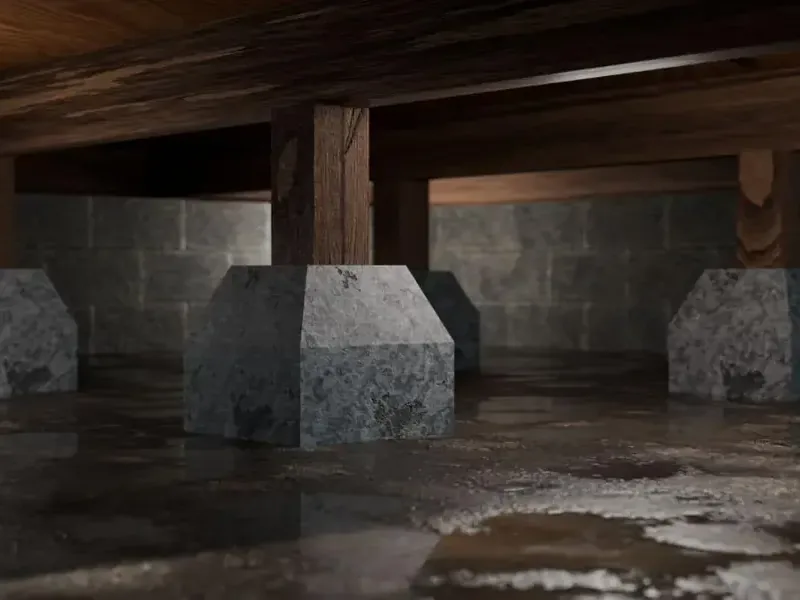
Crawl Space Water Removal in Brandon
Underfloor water removal starts with safe entry and pumping access.
View service details ›Structural Drying and Dehumidification questions in Brandon, FL
Why does the room need drying after extraction?
Extraction recovers accessible liquid, while building materials can retain absorbed water beneath a dry looking surface. Structural drying addresses that remaining moisture through appropriate access, air movement and dehumidification. The assessment identifies which layers need attention and how progress will be measured. A clear floor is therefore a useful starting point rather than the sole endpoint of recovery.
What do repeated moisture readings accomplish?
Measurements taken at consistent locations show how affected materials respond to the drying arrangement. They can reveal a section that remains wet while nearby areas improve. That information supports practical adjustments and helps establish readiness for repair. The record should relate readings to specific materials so the owner can understand the progress without relying only on room appearance.
Does a larger amount of equipment always dry better?
The arrangement needs to suit the wet assembly and the room conditions. More units do not automatically solve inaccessible layers or a continuing source. Assessment considers air movement, moisture removal and where readings remain elevated. Equipment changes should follow those findings so the setup addresses the material response instead of treating the number of machines as the measure of progress.
Can occupants turn equipment off during part of the day?
Changes in operation can alter drying conditions and slow the reduction of retained moisture. The owner should discuss noise, access or power concerns with the cleanup team before changing the setup. A practical adjustment may be possible, but it should account for the materials being monitored. New arrangements need to remain consistent with the planned recovery method.
What if one wall section remains wetter than the rest?
A persistent wet area calls for closer evaluation of access, material layers and source status. Moisture may be trapped behind a barrier or supplied by an unresolved leak. The next decision should follow inspection and the pattern of readings. Additional opening or equipment adjustment should have a clear purpose tied to that section rather than a general assumption.
Can drying restore every damaged building material?
Reducing moisture does not reverse every physical change. Swollen panels, delaminated flooring or weakened finishes may still need replacement after drying. The assessment should separate moisture recovery from repair of material damage. Owners need both parts of that explanation so a satisfactory reading is not mistaken for proof that a visibly deteriorated component is ready to remain in service.
What information should be provided before wall closure?
The repair contractor benefits from the affected area description, source repair status and drying results for retained materials. The handoff should identify any section that still needs attention and any finishes removed during cleanup. With those records available, wall closure and flooring installation can be planned around the actual assembly condition and the requirements of the replacement materials.
Make the next repair decision measurable
A documented drying check helps determine when affected assemblies can move toward closure and replacement finishes.
(888) 621-2041Discuss the drying measurements