Storm and Flood Cleanup in Brandon
Water arriving through a doorway can carry more than moisture into a home. Flood cleanup begins with safe access, the path of outdoor entry and a careful assessment of contaminated or damaged finishes.
(888) 621-2041Discuss rainwater inside the property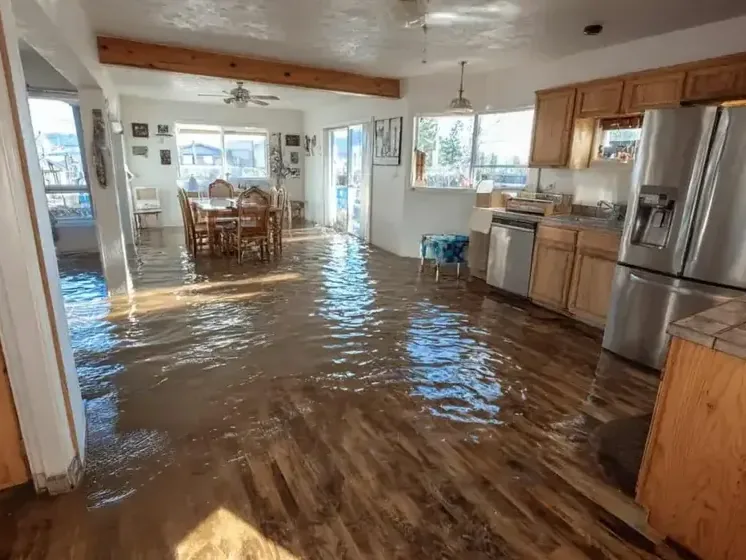
The first question after stormwater enters a Brandon property is where it went inside. Water can move under doors, collect behind furnishings and soak low wall materials. The recovery plan should mark that contact area, address access hazards and distinguish contaminated finishes from the structure that may remain after cleaning and drying.
First steps for storm and flood cleanup
- Wait for safe access. Avoid entering standing water around electrical equipment or unstable finishes. The property needs a safe working route before photographs or removal tasks can proceed.
- Describe the outdoor entry. Identify the doorway or opening where water arrived and whether it continues. Current conditions help determine the practical sequence for interior cleanup.
- Keep clean rooms separate. Limit traffic between flooded and dry areas. Soaked belongings and muddy footwear can extend contamination beyond the original indoor water contact boundary.
- Save the event record. Record the visible water level, affected rooms and emergency work from safe locations. Keep these details together for the cleanup and insurance discussions.
How storm and flood cleanup works
Assess entry and hazards
Inspection considers current water conditions, electrical concerns and accessible rooms. Those findings establish how equipment can reach the affected interior and where containment is needed.
Evaluate flood contact materials
Accessible water is recovered while finishes and belongings are assessed. Removal decisions account for contamination, physical condition and the ability to clean remaining building surfaces.
Clean retained structural surfaces
Hidden contact points near cabinets and wall bases may need access. Cleaning and inspection of those areas precede the drying arrangement for the retained assembly.
Document drying and remaining repairs
Material readings track moisture reduction during recovery. Closing records identify completed tasks, source concerns and replacement finishes awaiting the owner’s next contractor or repair arrangement.
A documented flooding event explains the local setting
On September 10, 2018, FOX 13 reported roadway flooding on Timber Pond Drive near Mead Lake and Timber Pond. Hillsborough County attributed those conditions to rising levels in interconnected ponds and lakes during extended rainfall. Residents described recurring flooding in the area, and the county discussed pumping and drainage work in its statement.
That account shows why continued outdoor water conditions matter during cleanup planning. If water is still entering a building, removal alone cannot stabilize the interior. The current access route, source of entry and condition of the affected rooms determine when work can proceed and how the interior should be divided for recovery.
- Photograph the entry threshold and indoor water boundary only from a location that remains safe.
- Keep mud and soaked belongings from being carried into rooms that stayed dry.
- Report wet electrical equipment and any flooring or ceiling that appears unstable.
- Save the sequence of entry, receding water and emergency work with the damage photographs.
Remove flood contact materials with a clear purpose
Outside water may carry sediment and other contaminants into absorbent finishes. Carpet, insulation, lower wallboard and stored belongings need evaluation based on exposure and condition. The cleanup scope should identify removal decisions before equipment is arranged to dry the remaining structure. A cleaner looking surface can still conceal wet or contaminated material underneath.
Hard surfaces also need attention at joints and inaccessible edges. A kitchen can hold water beneath cabinets even after the open floor is extracted. Selective access may be necessary to inspect those sections. Cleanup should explain how each opening contributes to cleaning, moisture removal or assessment of material damage.
Storm and Flood Cleanup help
Describe the route of outdoor entry and the rooms it reached. A focused flood assessment establishes safe access, material handling and the drying work required after cleaning.
Use measurements to manage the drying stage
After removal and cleaning, retained assemblies can begin controlled structural drying. Indoor humidity and material readings help adjust equipment as moisture leaves the structure. Persistent wetness can indicate a concealed layer or continued entry that needs another look before the recovery plan moves toward replacement finishes.
Do not enter a flooded electrical area
Receding water does not automatically make a room safe. Electrical equipment, weakened surfaces and contaminated debris require assessment before entry. Occupants should use dry safe space and report the conditions instead of walking through pooled water to retrieve belongings or operate switches.
Keep property planning separate from the current loss
Hillsborough County’s FEMA Effective Flood Zone Viewer and Floodplain Viewer provide information for property planning. Cleanup documentation serves another purpose: recording actual entry, affected materials and completed work. Keep those records with the insurance correspondence and repair estimates so each decision can be traced to the condition encountered indoors.
What does storm and flood cleanup cost in Brandon, FL?
Storm and flood cleanup in Brandon has planning ranges from $2,000 to $12,000+. Contamination, wet material removal and interior access affect scope. Exterior drainage work and reconstruction should be distinguished from indoor cleanup and drying costs.
Limited outside-water entry
$2,000 to $4,000
- Defined indoor contact
- Accessible debris removal
- Contained drying zone
Multiple flooded rooms
$4,000 to $8,000
- Connected flooded spaces
- Porous finish evaluation
- Broader cleaning work
Broad interior flooding
$8,000 to $12,000+
- Extensive wet materials
- Complex equipment access
- Expanded structural drying
The water damage cost calculator gives an estimate only. The inspection determines the scope, including water category, affected area, material class and drying delay.
Measured care for storm and flood cleanup
Rapid local response
The response team treats spreading water as urgent and gathers the source, room count and safe access details. Dispatch operates 24/7; conditions and availability determine the response.
IICRC S500 drying standard
The drying crew compares affected assemblies with dry reference materials, adjusts equipment to the evaporation load, and records progress. A dry-looking surface alone does not complete the work.
Claim-ready documentation
The technician links photographs to the moisture map and records material removal, equipment placement and drying readings. That record explains the restoration scope without promising an insurer's decision.
Local water experts
A property inspection distinguishes rain entry, an internal supply leak and contaminated outside water. The restoration plan follows the actual source and materials, with access and safety assessed separately.
Storm and flood cleanup in Brandon
Properties around Timber Pond Drive, Mead Lake and Timber Pond can discuss cleanup after indoor water entry. Report current access conditions and whether water is still arriving. The indoor assessment follows the actual wet boundary and the materials contacted during the event.
The same service nearby: storm and flood cleanup in Lithia, Valrico, Bloomingdale.
Related water damage services in Brandon
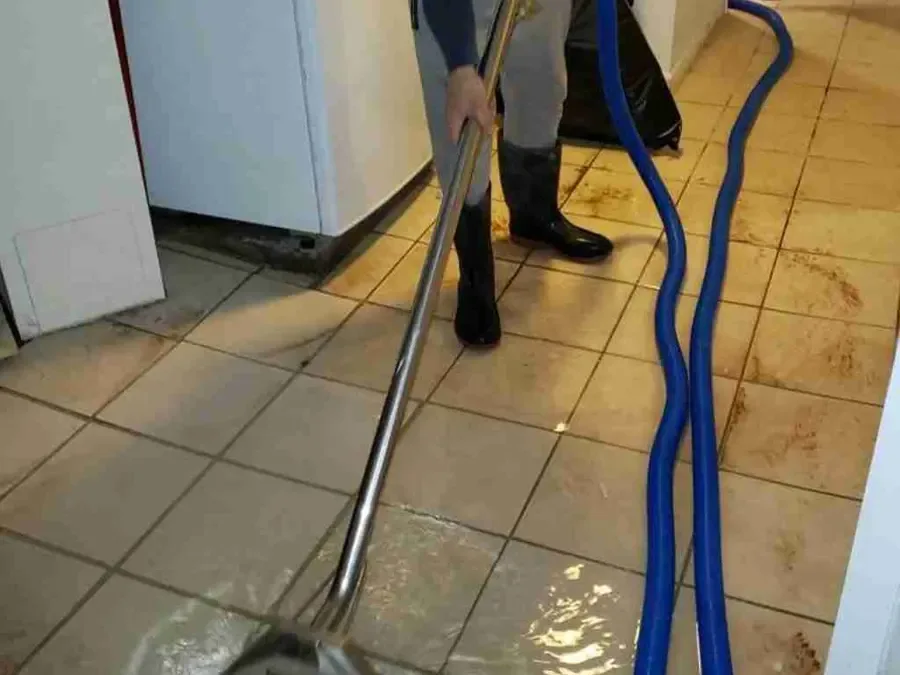
Water Extraction and Removal in Brandon
Standing water removal reaches flooring edges and adjoining rooms.
View service details ›
Structural Drying and Dehumidification in Brandon
Material readings guide airflow, humidity control and drying completion.
View service details ›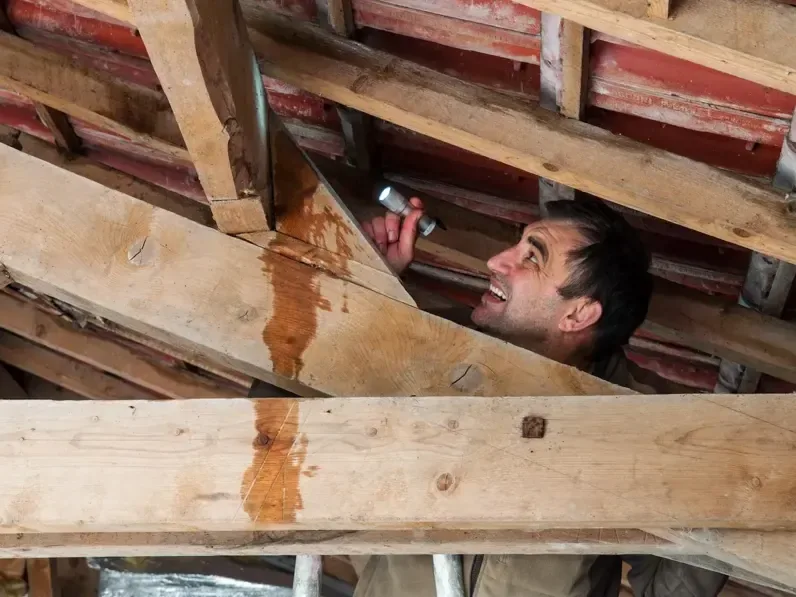
Roof Leak Water Damage in Brandon
Roof entry can leave insulation and timber wet below the leak.
View service details ›Storm and Flood Cleanup questions in Brandon, FL
Should cleanup begin while outside water is still entering?
The immediate plan needs to account for continuing entry and safe access. Extraction may reduce indoor water, but it cannot resolve an uncontrolled outdoor source by itself. Report whether the water is rising, receding or returning through the same opening. The assessment can then establish which protective or removal tasks are practical under the current conditions.
Does clear looking floodwater need contamination precautions?
Outdoor water can carry contamination even when it looks clear inside the building. Flood cleanup evaluates the route, debris and materials exposed indoors. Keep occupants away from the affected area and avoid moving soaked belongings through dry rooms. The work scope should explain cleaning and material handling requirements even if the original water looked relatively clear.
Can an indoor water mark show the whole damage area?
A visible mark helps document the event, but absorbent materials can carry moisture beyond that boundary. Water may also travel under flooring or behind cabinetry. Inspection therefore checks adjoining layers and concealed edges. Photographs of the mark remain useful when combined with measurements and removal findings that describe the full extent of the affected assembly.
What happens to stored items that became wet?
Belongings need evaluation according to contact with floodwater, material type and physical condition. Keep an item list and photographs when they can be obtained safely. Handling should avoid spreading debris into clean areas. The cleanup discussion can separate items suitable for further assessment from those requiring disposal, with the decisions retained alongside the structural work records.
Why are wall bases sometimes opened after flooding?
Low wall materials can retain water and contamination behind an intact painted surface. Access may be needed to inspect insulation, clean reachable structure or allow remaining materials to dry. The proposed opening should correspond to the observed exposure and assembly condition. Owners should receive an explanation of the purpose before removal becomes part of the approved cleanup scope.
Will a flood zone map determine the cleanup method?
A map supports property risk planning, while the cleanup method depends on the current damage inside the building. Actual entry, contamination, electrical conditions and affected materials shape recovery. Keep map information separate from photographs and work records for the event. An insurer may request different documentation according to the policy and circumstances of the reported loss.
When can replacement materials be installed after flood cleanup?
Cleaning and removal must be complete, the source must be addressed, and retained materials must meet the drying requirements of the repair. Monitoring records help establish that condition. Installing new finishes over unresolved moisture can hide a continuing problem. The handoff should identify remaining work and provide the replacement contractor with the relevant substrate and assembly information.
Plan recovery around the actual flood contact
The cleanup scope should connect water removal with cleaning, retained materials and the repairs that remain.
(888) 621-2041Discuss the flood contact boundary