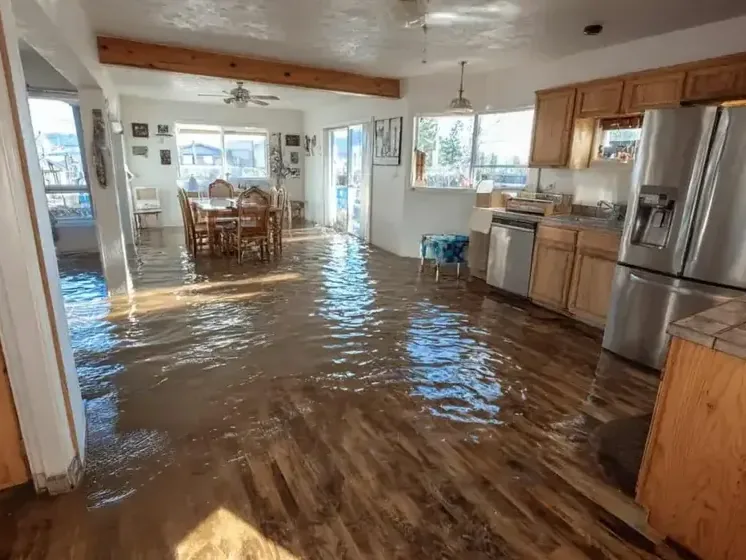
A property map and a photograph of a wet room answer different household questions. Fish Hawk takes its name from Little Fishhawk Creek, a tributary that joins the Alafia River west of Lithia Springs. The county provides a FEMA Effective Flood Zone Viewer for property searches and separate floodplain mapping developed from watershed studies. A practical household file can keep those planning records beside an organized account of any actual water entry, contents damage and cleanup work at the home.
Key takeaways
- Save the county map result for the specific property being checked.
- Keep map records separate from observations of a water event.
- Prepare room photographs and a contents list while conditions are dry.
- Record entry observations safely if water reaches the building.
- Organize cleanup records by room so they remain useful during repair.
Begin with the property's own map search
The county's FEMA Effective Flood Zone Viewer allows a property or area to be checked. A homeowner can save the result with the property identifier and the date of the search.
Keeping the original result available makes a later conversation easier because everyone can examine the same property view and its displayed information.
The Alafia River forms the community's northern boundary, while Little Fishhawk Creek is a tributary within the local geographic setting. The household's map search should still use the particular property.
That produces a practical planning record tied to the home whose rooms, belongings and access arrangements are being organized.
A saved map image should remain legible enough to show the selected location and the surrounding labels. Any question about the displayed designation can then be directed to the appropriate county contact using that same view.
The household file becomes easier to maintain when the property record has a clear name and search date.
- Search the intended property in the county viewer.
- Save the displayed location and map labels together.
- Include the date of the search in the file name.
- Keep questions tied to the same saved property view.
Give watershed information its own folder
Hillsborough County's floodplain maps are developed from detailed watershed studies. These can sit in a planning folder alongside the property zone result, with each source clearly identified.
The owner can then retrieve the relevant map when discussing the area's drainage context instead of sorting through unrelated room photographs during a stressful event.
A folder label should explain what the document contains, such as a property zone search or a watershed map view. The household can keep any accompanying agency explanation with that document.
Clear labels make the material useful to another family member who may need to locate it when the original organizer is unavailable.
The storm flood cleanup service concerns water that reaches the building and affected interior materials. If cleanup becomes necessary, the planning folder can accompany the property information, while the inspection focuses on the actual entry and rooms.
Keeping both organized helps the household describe the situation without searching through a mixed collection.
- Use descriptive names for different county map documents.
- Keep agency explanations beside their matching maps.
- Store planning material where household members can retrieve it.
- Start a separate event folder if water enters the home.
Photograph rooms before there is a wet area
Routine room photographs can show the arrangement of large belongings, floor finishes and fixed cabinetry while conditions are dry. A useful set includes a broad view and closer images of important items.
The household can organize those images by room so an affected object can later be found without scrolling through unrelated photographs.
The contents list should use ordinary descriptions that another person can recognize. Item labels, purchase records and existing photographs can be stored with the same room entry when available.
The aim is a manageable household inventory that can be updated as belongings change, rather than an elaborate record that is too difficult to maintain.
Stored belongings deserve attention to their location as well as their description. A list can identify items kept on the floor, in cabinets or on raised shelves.
This makes the inventory practical during preparation and gives the household a useful reference if some possessions need to be moved before changing weather conditions affect access.
Create an event record from safe observations
If water reaches the property, the event folder should begin with the discovery time and the location where entry was observed. The account can identify a threshold, wall edge or other visible opening.
Occupants should remain away from floodwater and record only what can be seen from an accessible, stable position.
Photographs should distinguish outside conditions from the interior water boundary. A room name and an observation time make each image easier to interpret.
If part of the house cannot be entered safely, the record can leave that area for the professional inspection and clearly identify that its condition has not yet been assessed.
The water extraction service needs current information about accessible rooms and continued entry. A short event summary can provide those details before a visit.
Later inspection findings should be added as a new entry so the initial household observations and the professional assessment remain clear within the same sequence.
- Identify the first observed entry point.
- Record outside and interior conditions in separate images.
- Label inaccessible rooms for later professional assessment.
- Send the team a current access and water entry summary.
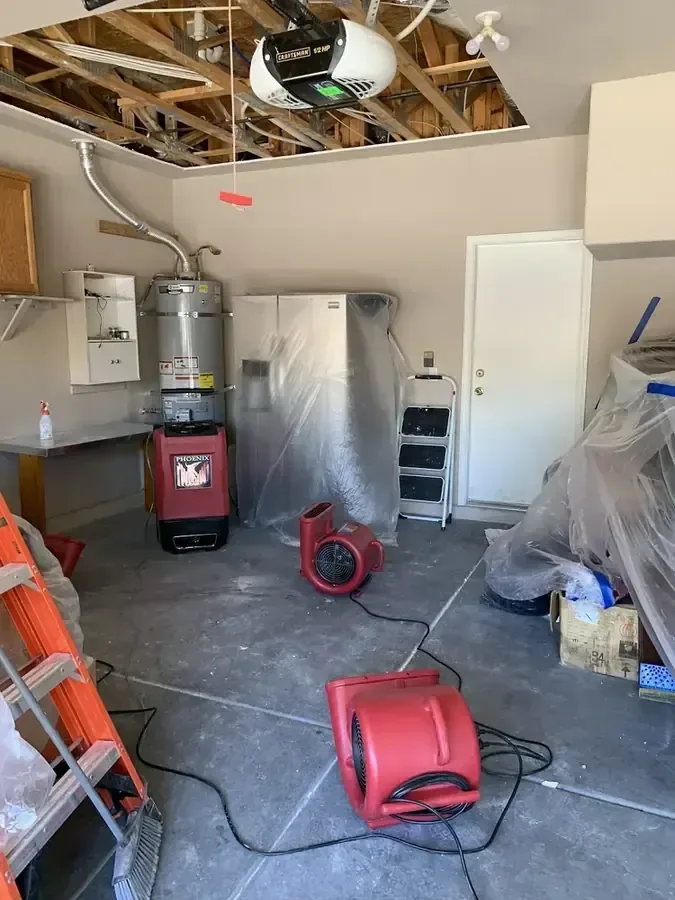
Match cleanup decisions to the room inventory
As cleanup proceeds, each material or contents decision should point back to a particular room and item. A damaged floor covering can have its condition photographs and handling notes stored together.
A cabinet or furniture item should have its own entry so the record remains useful when the room contains several different cleanup tasks.
The owner can ask the team to explain the reason for removal, retention or further evaluation before an item leaves its original place. The written account should identify the observed condition and agreed action.
Photographs taken at that point help preserve the connection between the original inventory and the changed room after work begins.
An invoice or work summary can be filed with the room entries it concerns. The household then has a way to understand what occurred in each area without relying on a single broad description of the property.
That organization becomes especially useful when extraction, contents handling and finish repair are completed at different times.
Keep the final records usable after the event
The structural drying service should leave a record of the retained materials evaluated and their final condition. Those results belong with the corresponding room photographs and any remaining repair list.
The file should allow a later contractor to understand what was exposed, what was retained and which surfaces still require finish work.
Hillsborough County warns that most homeowners insurance does not cover flood damage. Household planning should therefore include a discussion of the applicable policy with the insurance provider, keeping written responses beside the policy documents.
The damage file can remain focused on observed conditions, affected belongings and work performed so it is ready for that conversation.
After repairs, new room photographs can close the event folder and update the everyday inventory. The earlier images should remain available because they explain what changed.
A concise index linking the planning maps, event sequence and completed work gives the household a practical record to retain after the immediate disruption has ended.
- File final material results under the affected room.
- Keep policy questions and written responses together.
- Add photographs after finish work is complete.
- Preserve earlier records when updating the everyday inventory.
Questions
Which map should a homeowner save for a property check?
The county's FEMA Effective Flood Zone Viewer provides a property or area search. The saved view should include the selected location and the date it was checked. That gives the household a specific document to use when directing a question to the appropriate county contact.
What is the most useful way to organize room photographs?
A folder for each room can hold broad views, item images and any available purchase details. Consistent room names make the collection easier for another household member to use. Updated photographs can be added when furniture or finishes change.
How should the record change once water enters?
A separate event folder should begin with the observed entry point, discovery time and safe access information. Cleanup findings can be added afterward in sequence. The existing inventory stays available for comparison while the event account describes what happened during that particular loss.
What should be retained when the room is repaired?
The household should keep the material decisions, final drying results, source information and completed repair photographs. A short remaining work list can be closed as tasks finish. Retaining the earlier images alongside the completed room view preserves the explanation of what changed.