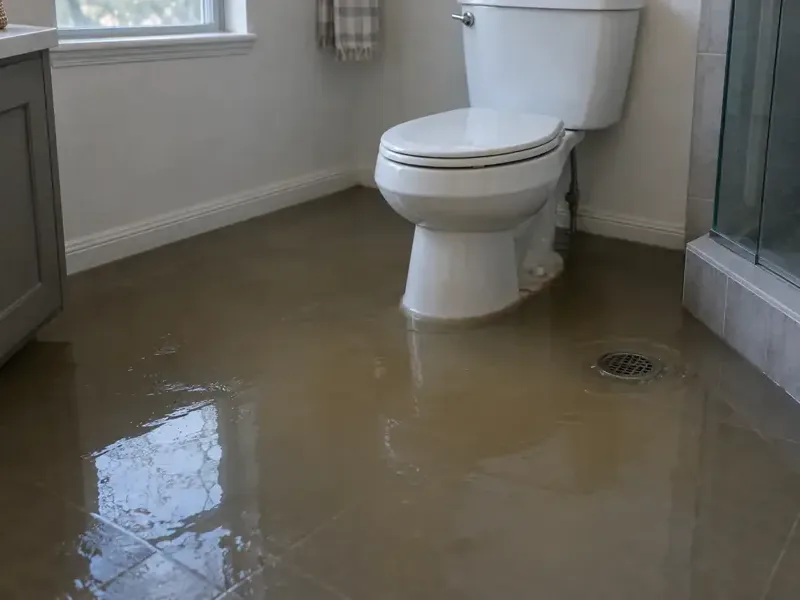
A sewage backup creates an immediate need to keep people away from the affected space and describe what happened clearly. In Riverview, Hillsborough County Water Resources directs water and sewer emergencies causing property damage to its emergency reporting process. The household also needs an indoor cleanup assessment that identifies affected fixtures, surfaces and belongings. A useful report connects the first visible backup with the rooms it reached while preserving a clear route for safe professional access.
Key takeaways
- Keep children, pets and household traffic outside the affected area.
- Avoid using fixtures associated with the backup until the source is assessed.
- Report the visible fixture behavior and property damage accurately.
- Treat outdoor reporting and indoor cleanup as separate assigned tasks.
- Request a written account of material handling before drying and repair.
Describe the fixture behavior that was actually seen
The first account should identify where water or sewage appeared: a toilet, shower drain or another observed opening. It should also describe whether the flow continued after fixture use stopped.
This gives the professional investigating the source a concrete starting point without requiring the household to diagnose concealed drainage components.
If several fixtures were involved, each can be named in the order the problem was noticed. A short sequence is easier to follow than a general statement that the bathroom flooded.
Photographs from a clean, safe position can preserve the condition before cleanup, provided taking them does not require entering the affected area.
Water use associated with the backup should stop while the problem is being evaluated. The household should not repeatedly operate fixtures to reproduce the event.
The person coordinating the response can instead pass along the observations already available and identify which rooms remain separated from the contamination.
- Name the opening where the backup first appeared.
- Describe whether flow persisted after use stopped.
- List other fixtures involved in the observed sequence.
- Keep the account focused on visible behavior.
Keep a clean route for people and equipment
A bathroom doorway or hallway junction can become the practical boundary between the work area and the rest of the household. Occupants should keep children and pets outside that boundary.
The cleanup team can identify the safest approach and explain how its equipment and affected items will move through the property.
Wet belongings should remain in place until their handling is planned. Carrying them through a clean room can complicate the work and scatter the original contents record.
An owner can prepare a list from the available view and let the team add details when controlled entry and inspection are arranged.
The sewage backup cleanup service addresses contaminated interior conditions. Before work begins, the discussion should identify the occupied rooms, the proposed access route and any household needs that affect separation.
A clear boundary helps everyone understand where normal movement ends and cleanup activity begins.
- Choose an access route with the cleanup team.
- Keep dry household storage outside the work boundary.
- Avoid carrying wet items into unaffected rooms.
- Tell the team which occupied spaces need continued access.
Use the county reporting process for the reported emergency
Hillsborough County Water Resources provides emergency reporting for water and sewer problems causing property damage. The report should describe the property impact, visible fixture conditions and whether the problem remains active.
The owner should keep the report reference and any instructions received with the source investigation notes.
The county distinguishes street flooding associated with main breaks from flooding due to other causes. If water is visible outside as well, its location and observed behavior should be recorded separately.
That allows the report to follow the appropriate county category while the indoor cleanup plan remains focused on the affected rooms.
The person coordinating the property should identify who is investigating the source and who is handling the interior. Contact notes can record the task assigned to each party and the next expected update.
This avoids a gap in responsibility when a public report and an indoor restoration visit are happening during the same incident.
- Retain the emergency report reference.
- Write down any instructions about further fixture use.
- Keep outside water observations separate from fixture observations.
- Name the party responsible for the next source update.
Assess affected surfaces before removal starts
The material inspection should describe the floor finish, lower wall surfaces and fixed items reached by the backup. Each proposed action should be linked to the observed condition of that material.
The owner should be able to understand which areas need removal, cleaning or further inspection before the room changes significantly.
Photographs should show the original boundary and the surfaces exposed during work. A caption identifying the room and material helps later readers follow the sequence.
The cleanup account should also note any adjoining area checked beyond the visible contamination so the final scope has an understandable boundary.
Contents belong in a separate list with their location and proposed handling. A storage container, floor covering and furniture item may require different decisions.
Discussing those items individually keeps the owner informed and gives the team a clearer record of what was removed, retained or set aside for further evaluation.
Start material drying after the cleanup decisions
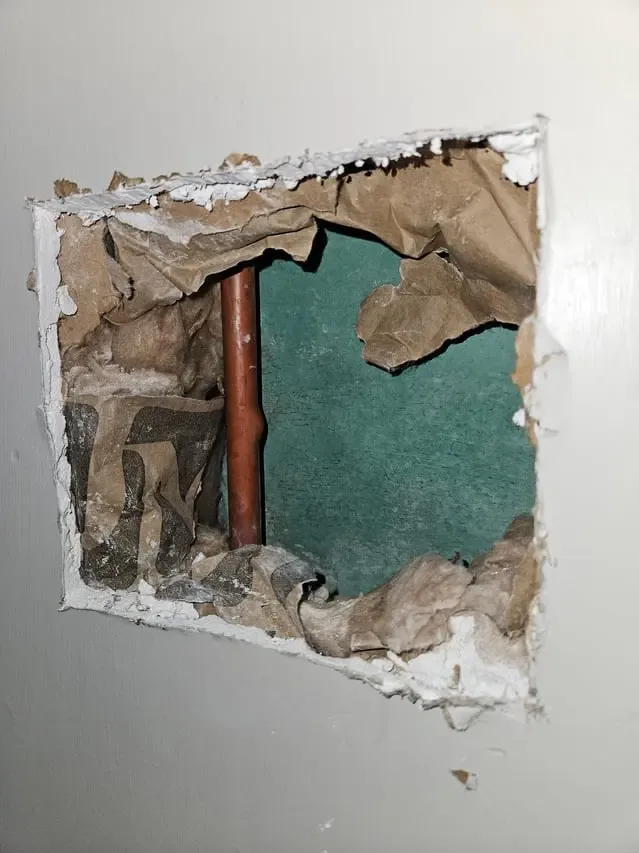
The drying plan should identify the building materials retained after the appropriate cleanup and removal work. It should also describe how those materials can be reached for monitoring.
The owner can ask which measurements will be repeated and how the team will document the condition of each retained surface over time.
The structural drying page explains the role of material readings and controlled equipment placement. For a sewage loss, the handoff into that work should include the completed cleaning scope and any access restrictions.
The drying record can then focus clearly on the assembly left in place.
A change in fixture behavior during the job needs immediate communication to the person investigating the source. The team should also receive that update so any new entry can be evaluated.
Continued monitoring of the original materials remains a separate record from observations of a renewed backup or a new wet area.
- Identify the materials retained after cleanup.
- Ask which measurement locations will be revisited.
- Report renewed fixture symptoms through the assigned contact.
- Keep new entry notes distinct from existing drying results.
Prepare for the return of normal room use
The closeout should identify the source finding provided by the responsible professional and summarize what happened inside the affected rooms. The owner should receive the material handling account, final conditions and a list of remaining repairs.
This makes the transition from restricted work space to repaired room easier to manage.
Hillsborough County says bathroom remodeling involving plumbing would likely require a permit, and HillsGovHub provides permit record searches and status checks. Any proposed changes to the room should receive the appropriate county assessment.
The repair contractor should describe that scope clearly alongside the restoration of removed finishes.
The water damage service overview connects the available response services, while the household's closeout file should remain specific to the event. Keeping utility correspondence, source findings and indoor work records organized allows later questions to reach the right party.
The finish schedule can then follow the tasks that remain at the property.
- Keep the source finding with its responsible contact.
- Request the cleanup and material handling summary.
- List repairs still needed for normal room use.
- Retain applicable permit records with the plumbing proposal.
Questions
What should the first sewage backup report include?
The report should name the affected fixture, describe the observed flow and identify any property damage. The caller should also explain whether the condition remains active. A concise sequence helps the receiving professional understand the event without relying on an assumed drain diagnosis.
Should occupants move wet belongings out immediately?
Their movement should be coordinated with the cleanup team so affected items travel through an appropriate route. The household can record visible possessions from a clean position first. Planned handling protects the work boundary and keeps the inventory connected to the original room.
Does a county emergency report complete the indoor response?
The property still needs an assessment of the contaminated rooms and materials. The owner should identify the party responsible for that work as well as the source investigation. Keeping those assignments explicit helps both parts of the response move forward with clear responsibilities.
What belongs in the room reopening discussion?
The discussion should cover the source status, completed cleanup, retained material condition and remaining finish work. The owner can request those items in writing. Any planned plumbing changes should be coordinated with the responsible contractor and the applicable county process before the room is finished.