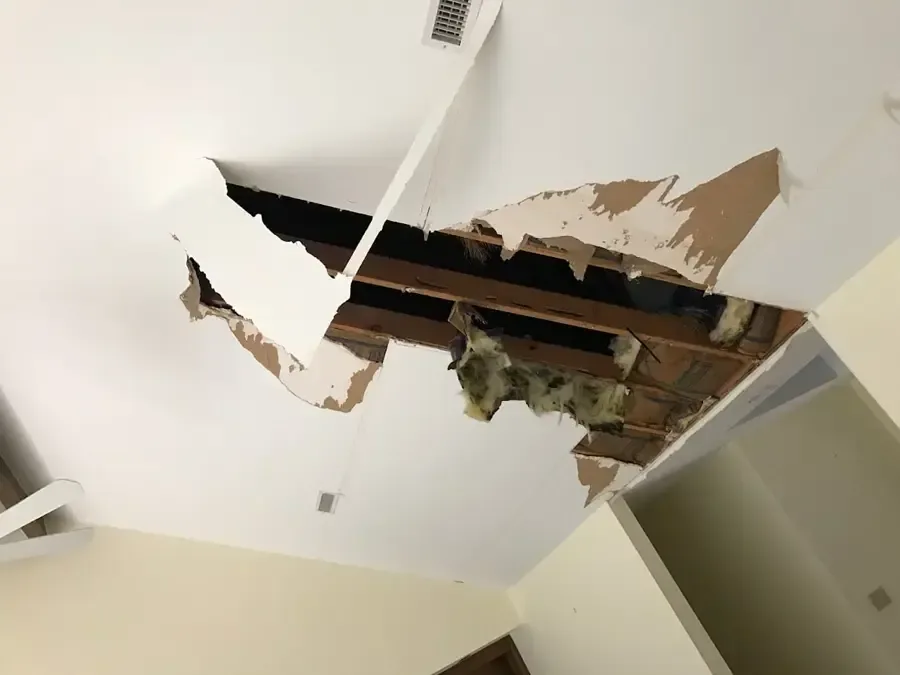
A ceiling mark can bring several trades into the same room: a professional investigating the source, a cleanup team assessing wet materials and a contractor restoring the finish. Lithia is an unincorporated Hillsborough County community, where most construction requires county permit approval and HillsGovHub provides status checks. A clear handoff should explain the overhead condition, the source correction and the material results before a replacement finish hides the working area again. The owner benefits from knowing what each trade is responsible for.
Key takeaways
- Keep people and movable belongings away from an unstable ceiling.
- Describe when the overhead mark or dripping first appeared.
- Have the investigating trade document the source finding.
- Record each ceiling opening and the condition exposed above it.
- Coordinate material checks and required inspections before finish closure.
Give the overhead condition a safe boundary
A bowed surface, loose material or active overhead dripping calls for a clear area beneath it. Occupants should avoid standing under the affected ceiling and should not press or puncture it.
The initial description can come from the doorway or another stable location where the condition is visible without entering the questionable area.
Movable belongings should be relocated only when they can be reached safely outside that boundary. A room photograph can show furniture positions before any agreed movement.
The team should know whether the space below the ceiling is a normal household route so it can discuss practical separation and an alternate approach.
The ceiling leak water damage service begins with assessment of the overhead area and the surfaces below it. The owner should explain any change since the first observation, including a widening mark or new dripping.
That update helps the inspection respond to the current condition rather than an earlier description.
- Identify the room below the affected ceiling.
- Keep the area beneath loose or bowed material clear.
- Photograph the surface only from a stable position.
- Report changes in the mark or dripping pattern.
Build a timeline around ordinary observations
The useful history begins with when the household first noticed the mark, drip or wet floor beneath it. The account can include whether rain or plumbing use was occurring at that time.
These observations give the investigating professional a sequence to evaluate while keeping the eventual source finding tied to the actual inspection.
An older photograph of the same room may help show when the finish last appeared unchanged. If available, it can be kept beside the current image with its original date.
The purpose is to make the visual history easier to follow, especially when the mark has changed between discovery and the professional visit.
Each new observation should have its own short note rather than replacing the original account. A drip that stopped, a stain that expanded or water appearing at another edge can be described specifically.
The investigating trade can then explain how those observations relate to the component it examines above the ceiling.
- Record the first noticed mark and the discovery time.
- Mention rain or fixture use observed around that time.
- Keep earlier room photographs if available.
- Add changes as new entries in the timeline.
Get the source finding from the responsible trade
The owner should ask the investigating professional to name the component involved and describe the proposed correction. A clear finding gives the cleanup team a useful source status and helps the finish contractor understand what was repaired.
The account should identify any further inspection needed before the source work can be considered complete.
When roof entry is identified, the roof leak water damage service can address the affected interior alongside the roof professional's correction. When plumbing is involved, the plumbing scope should remain identifiable in the file.
Each trade should describe its own work and the surfaces or components it changed.
The schedule should include an explicit source update before finish closure is arranged. That update can attach the repair photographs or written completion notes provided by the responsible professional.
The owner then has a practical way to connect the original symptom above the room with the work performed to address it.
Explain access openings before removing the finish
A proposed opening should have a defined purpose, such as inspecting an overhead cavity or reaching affected material for appropriate removal and drying. The team should explain the location and intended extent before the finish changes.
A marked photograph can help the owner understand that proposal without needing to stand beneath the affected ceiling.
Once access is established safely, photographs should identify the exposed assembly and the room below it. The notes can describe retained material, removed material and any area still outside reach.
These details give the next trade a useful account of what is present above the visible finish and what remains to be evaluated.
A repair proposal should refer back to these openings so the closure scope matches the actual work. The owner can ask whether the proposal includes adjacent finishes affected by access as well as the original ceiling surface.
A clear opening list helps avoid uncertainty when the cleanup crew and finish contractor visit at different times.
- Ask for the reason and location of proposed access.
- Save photographs before and after the opening.
- Record areas that remain inaccessible above the finish.
- Include the actual opening dimensions in the contractor's repair record.
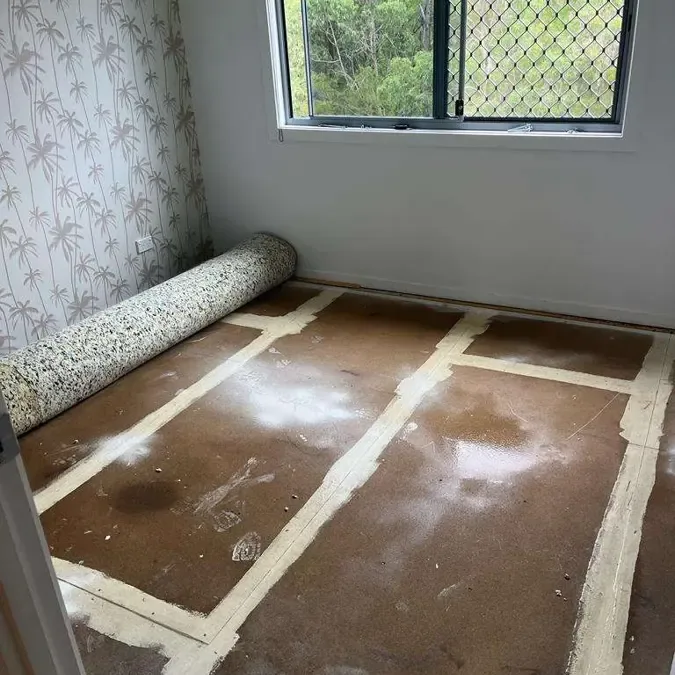
Track the retained assembly before painting is scheduled
The monitoring plan should identify which materials above and around the opening are being evaluated. Measurements need recognizable positions so later visits can return to the same locations.
The room file can pair the material description with an access photograph, making the drying record understandable to someone who was absent during the initial work.
The structural drying service follows retained building materials and the indoor conditions supporting their progress. The owner can request an explanation of how equipment placement relates to the overhead assembly.
That conversation should identify the result needed before the drying equipment is removed and the finish contractor takes over.
The surface appearance is only part of the project record. The closing handoff should also include the final material findings and any source work still awaiting completion.
Keeping those items visible in the schedule gives the painter or finish contractor a clear starting condition and an account of unresolved tasks requiring attention first.
Keep county approval attached to the proposed repair
Hillsborough County publishes homeowner permit information, and plumbing remodels may need permits. The contractor should check the full proposed repair scope before scheduling work that requires approval.
HillsGovHub status records can be saved with the relevant proposal so the owner can follow the work without mixing approval records with the drying log.
The final handoff should identify who corrected the source, who assessed and dried the materials, and who will restore the ceiling. Each party should receive the information needed for its task.
The owner can keep a concise remaining work list that names the responsible contact beside each outstanding item.
After the ceiling is restored, the earlier photographs remain useful because they show what is now concealed. The complete file can include the first symptom, exposed condition, source correction, material results and completed finish.
That sequence gives the household a durable record of how the room moved from discovery to repair.
- Match county status records to the relevant repair scope.
- Identify the trade responsible for each unfinished item.
- Retain exposed assembly photographs after closure.
- Add completed finish photographs to the original room file.
Questions
What is useful to report about a new ceiling stain?
The owner should identify the room, discovery time and any visible change in shape or dripping. Observed rain or plumbing use can be included in the timeline. The professional inspecting above the finish can then relate those observations to the source finding.
Should an occupant make a hole to release ceiling water?
An unstable overhead surface should be left for safe professional assessment. Occupants should keep away from the affected area and describe the condition from a stable position. The team can decide how access and removal should be handled within the inspected work area.
Why retain photographs of an open ceiling?
They show the assembly and access conditions that will become concealed after repair. Labeled views can connect material results with a particular location. They also help the finish contractor understand which surfaces were removed and what the closure proposal needs to restore.
What should happen before the ceiling is painted?
The source correction, relevant inspections and retained material results should be coordinated with the finish schedule. The contractor should receive a clear description of the area being handed over. The owner can then discuss any remaining work before the final surface treatment begins.