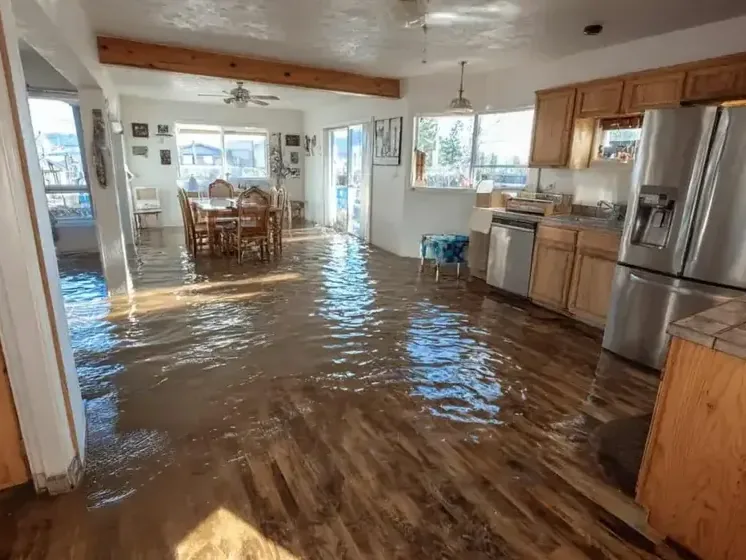
Floodwater around a home changes the cleanup plan before anyone reaches a wet room. In Lithia, reporting after Hurricane Milton described residents off Lithia Pinecrest Road surrounded by rising Alafia River water, with rescue boats launched near Rose Street. A homeowner facing water entry needs a clear account of where water appeared, which areas remain accessible and whether the outside water is still rising. Those observations help organize a practical response without sending occupants into unsafe conditions.
Key takeaways
- Keep household members away from floodwater and wet electrical equipment.
- Record outside entry points only from an accessible dry location.
- Tell the cleanup team whether water continues crossing a threshold.
- Separate damaged belongings by room in the written inventory.
- Retain extraction notes and final material readings with repair photographs.
Start with the route into the property
An exterior photograph can explain why a restoration visit needs a different entrance or why a room cannot yet be reached. The person describing the property should identify a dry approach, blocked doors and occupied rooms that remain separate from the water.
Access information belongs at the beginning of the conversation.
Occupants should stay clear of submerged electrical equipment, moving water and unstable surfaces. A household member should not enter floodwater to obtain a better picture or retrieve a replaceable object.
When a safe route is unavailable, emergency access and instructions from public responders take priority over inspection of possessions.
The initial description can remain simple: water at the rear opening, a wet hallway, or a room that has not been entered. Precise observations let the team plan its arrival around actual conditions.
Guessing at hidden damage adds less value than explaining which parts of the property are safely visible.
- Identify the entrance that can be approached safely.
- Describe blocked interior routes without testing them.
- Mention any occupied area separated by standing water.
- Keep a record of access changes as conditions develop.
Describe the outside water and indoor entry separately
NOAA lists an Alafia River gauge at Lithia Pinecrest Road. River information can accompany a property record, while the household notes describe the door, wall opening or other place where water entered.
Saving both records gives the cleanup team the surrounding conditions and the particular water path through the building.
A useful entry note names the affected opening and the adjoining floor surface, then describes whether water is arriving continuously or has stopped. Photographs taken from the same safe position make changes easier to compare.
A new wet area should receive a fresh note instead of being folded into an earlier description.
The storm flood cleanup service addresses the condition of the affected interior. Information about continuing outside entry helps determine when extraction can proceed effectively and how equipment can be protected.
The handoff should include any change in outside conditions that occurred after the first report.
- Save the time of the observed entry.
- Name the opening where water crossed inside.
- Record whether the visible water boundary is changing.
- Photograph the indoor edge from a dry position.
Prepare a room inventory before items are moved
The first contents record should follow the building's rooms rather than the order in which objects are noticed. A short list can identify furniture, stored boxes and floor coverings in each affected space.
Larger room photographs help connect each object with its original location before professional cleanup changes the scene.
Descriptions should distinguish an item sitting in water from an item on a dry shelf. If access is restricted, the list can mark the room as awaiting inspection.
A technician can then add observations after entry is made safe, preserving the difference between an early household account and the later inspection.
Dry belongings can be moved only through a safe, clean route that avoids carrying water into unaffected spaces. Wet contents need an appropriate handling plan before relocation.
Keeping item decisions organized by room reduces confusion when the owner discusses disposal, cleaning and storage arrangements with the team responsible for the work.
Ask how extraction will follow the changing boundary
A removal plan should identify the rooms containing recoverable water, the equipment route and the area where work will begin. The crew also needs to know whether new water is entering from outside.
Those details explain why the visible puddle and the practical extraction area can change during the visit.
The water extraction page describes removal of standing water and inspection of adjoining materials. An owner can ask the team to record what was removed, where the remaining moisture is being evaluated and which areas are inaccessible.
These notes make the work understandable when several rooms have different conditions.
If water returns to a cleared area, the record should identify when it reappeared and whether its route can be observed. The next decision depends on the source of that return.
A revised plan should describe the new condition explicitly so that continued entry and retained moisture receive the appropriate attention.
- Request a room list for the extraction work.
- Record restrictions affecting equipment access.
- Ask which floor edges require further inspection.
- Keep new entry observations with the day's work notes.
Keep material decisions visible during cleanup
Flooring, trim, cabinets and wall finishes may require different handling even when they were wet during the same event. The cleanup record should explain the condition of each affected material and the reason for retaining or removing it.
A single statement that the house was cleaned leaves those decisions difficult to follow.
Before an opening or removal changes the room, photographs should show the finish and the affected boundary. Afterward, another image can show the exposed area and the remaining assembly.
Pairing those photographs with a brief explanation helps the repair contractor understand what will eventually need to be restored.
The owner should also receive an account of areas left untouched because they were dry, inaccessible or outside the agreed work. That description helps schedule any remaining inspection.
It also prevents a room that was never entered from being confused with a room that was evaluated and found ready for repair.
Connect the drying record to the later repair
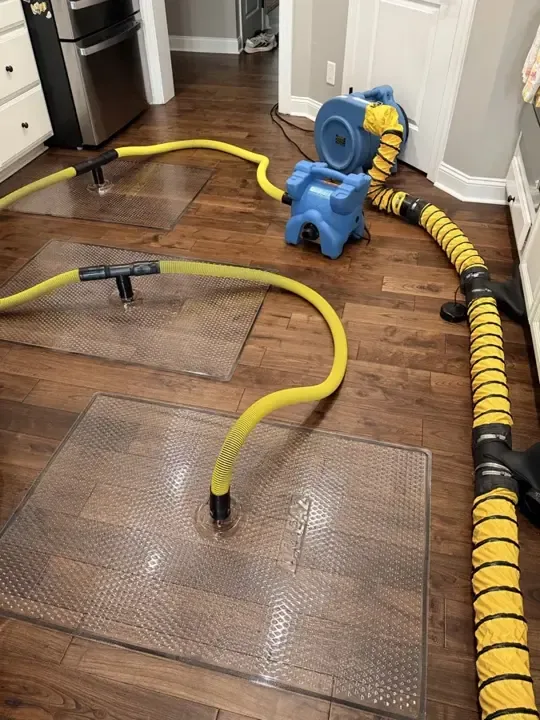
The drying file should identify the material being measured and the location of the reading, with enough detail to revisit the same point. Room temperature and humidity observations belong alongside the material record.
A series of identifiable measurements gives the owner a clearer picture than an equipment count by itself.
Before finishes are restored, the repair team needs the final condition of retained materials and a list of open areas. Hillsborough County publishes homeowner permit guidance, and most construction requires county approval.
The proposed repair scope should be checked through that process before work that needs approval is scheduled.
A complete handoff connects the entry photographs, contents decisions, extraction work and drying results. The Lithia restoration overview offers the broader service context, while the property's own file supplies the details for its repair.
Keeping that file together makes follow up questions easier to resolve after equipment has been removed.
- Keep measurements labeled by room and material.
- Request the reason for any change in drying setup.
- List open surfaces that still need finish work.
- Attach the final room photographs to the repair scope.
Questions
What belongs in the first report of floodwater entry?
The most useful opening details are the safe entrance, affected rooms and whether water is still arriving. Any inaccessible space should be identified clearly. A description from a safe location can help organize the visit before a complete interior inspection is possible.
Should a homeowner walk through water to photograph damage?
Photographs should come from a dry, accessible position. An image is not worth entering an unsafe area. The record can state that part of the property awaits inspection, and the team can add photographs after appropriate access has been established.
How should returning water be recorded?
A new note should describe its location, observation time and visible direction of entry. That gives the cleanup team a specific change to evaluate. The earlier extraction record should remain intact so the sequence of conditions stays clear.
What paperwork is useful after equipment leaves?
The owner should retain the affected room list, material decisions, final moisture results and photographs of surfaces left open. Those documents support a clear discussion with the repair contractor about remaining work and the proposed scope for restoring finishes.